Algorithm Frontiers: Predictive Models Redefining Promotional Tactics from Pitches to Tracks to Virtual Arenas
Theo Hoffmann · Jun 2, 2026
Algorithm Frontiers: Predictive Models Redefining Promotional Tactics from Pitches to Tracks to Virtual Arenas
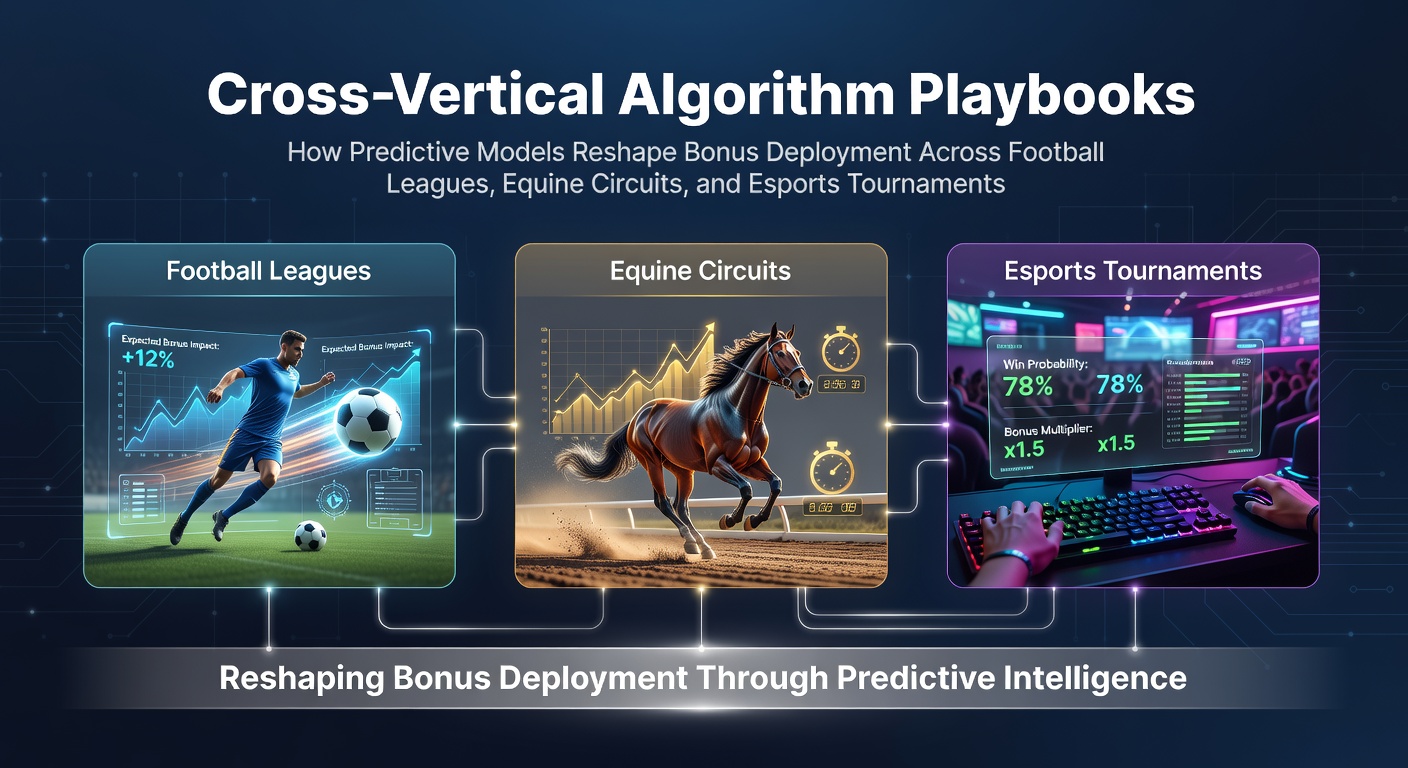
Operators deploy predictive models to allocate bonuses with increasing precision across football leagues, equine circuits, and esports tournaments, drawing on user behavior patterns and performance forecasts that integrate multiple data streams simultaneously. These systems evaluate historical participation rates, wager sizes, and engagement durations to determine which incentives will likely trigger sustained activity rather than one-time claims, and analysts track outcomes through segmented reporting that isolates each vertical while identifying shared signals.
Football League Applications
Models in football focus on variables such as match schedules, team form indicators, and regional viewership spikes to time bonus releases that coincide with high-interest periods. Data sets compiled from major European divisions show that targeted deposit matches and free bet credits distributed ahead of weekend fixtures produce measurable lifts in handle volume, while midweek allocations tend toward lower-stakes users who favor accumulators. Operators adjust parameters weekly, incorporating injury reports and weather variables that influence scoring probabilities, so the same user segment may receive different offers depending on the upcoming slate.
Equine Circuit Adaptations
Equine betting platforms apply similar frameworks to race calendars, track conditions, and field sizes, yet they layer in additional factors like trainer statistics and post-position advantages that shift rapidly between meetings. Predictive engines scan past tote handle figures and rebate claim rates to calibrate bonus values that encourage multi-race wagers without inflating liability on long-priced runners. Observers note that circuits running simultaneous meetings across different continents create opportunities for staggered deployments, where an algorithm might route an equine-focused incentive to users whose football activity has recently declined, thereby maintaining overall platform engagement.
Esports Tournament Integration
Esports environments introduce faster data cycles because tournament brackets update in real time adn player performance metrics arrive after each map or round. Algorithms ingest live kill-death ratios, map win rates, and roster change announcements to predict which matches will draw concentrated betting interest, then trigger bonus offers that activate only for those events. Tournaments scheduled in June 2026 illustrate the approach clearly, as major circuits overlap with traditional sports seasons and models must balance esports-specific incentives against competing football and racing calendars to avoid audience fragmentation.
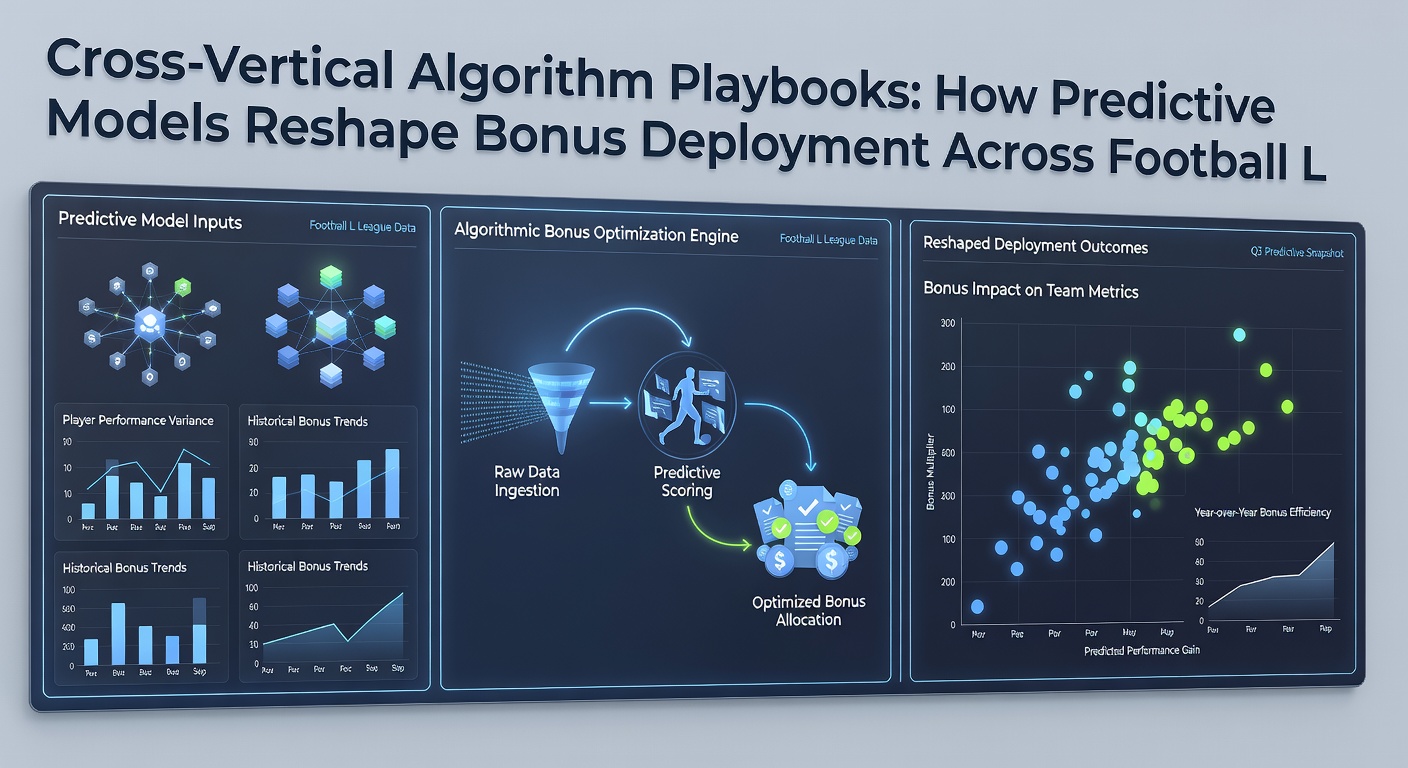
Cross-vertical playbooks emerge when operators link user profiles across all three domains, allowing a single predictive layer to recommend bonus types based on demonstrated preferences rather than vertical isolation. A bettor active in football accumulators might receive an equine double credit if the model detects correlated risk tolerance, while an esports participant showing preference for live in-play wagers could be routed toward same-day horse racing specials that reward quick decisions. These linkages rely on unified data lakes that standardize variables such as average stake size and session length, enabling consistent scoring across disparate event types.
Technical Implementation Patterns
Implementation typically begins with feature engineering that normalizes inputs from each vertical into comparable formats, after which ensemble methods combine gradient boosting outputs with neural network forecasts to rank bonus candidates by expected lifetime value. Regulatory filings from bodies including the Nevada Gaming Control Board and reports issued by the Australian Communications and Media Authority document the increasing use of such systems, noting that audit trails must capture every model-driven decision for compliance review. Updates occur on rolling schedules, with retraining cycles triggered whenever new event data exceeds predefined drift thresholds.
Case examples drawn from platform disclosures reveal that cross-vertical models reduced bonus cost per acquired user by reallocating spend away from low-conversion segments and toward those whose activity patterns indicated higher retention potential. One documented deployment sequence shifted equine bonuses toward users whose football engagement had plateaued, resulting in measurable reactivation rates that single-vertical campaigns had not achieved. Similar transfers appear in esports contexts where models flag periods of reduced tournament density and compensate by increasing football or racing offers to the same cohort.
Conclusion
The convergence of predictive techniques across football, equine, and esports verticals continues to evolve through iterative refinement of shared data architectures and synchronized deployment calendars. Industry organizations such as the European Gaming and Betting Association have highlighted ongoing work on interoperability standards that would further streamline these cross-vertical playbooks, while academic studies from institutions including the University of Sydney track longitudinal effects on user behavior. As event calendars grow denser, particularly around periods like June 2026 when multiple major competitions coincide, the capacity of these models to allocate bonuses efficiently determines how operators maintain balanced activity across all three domains without excessive overlap or underutilization.