Algorithmic Innovations Reshaping Payout Evaluations in Diverse Betting Sectors
Klara Neumann · Aug 18, 2026
Algorithmic Innovations Reshaping Payout Evaluations in Diverse Betting Sectors
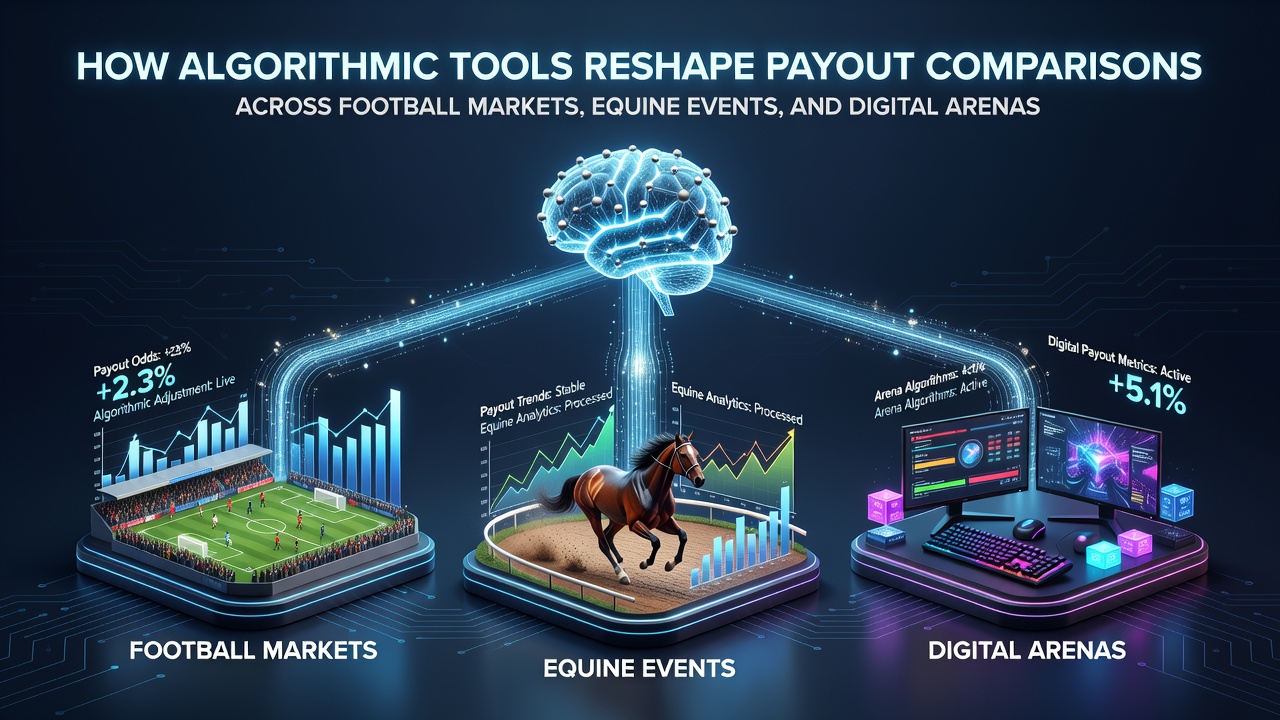
Algorithmic tools now process vast datasets from football markets, equine events, and digital arenas to generate precise payout comparisons that operators and bettors rely on daily. These systems pull live odds, historical results, and market movements into unified models that highlight value across different event types. In August 2026, platform updates incorporated machine learning layers that adjust for regional liquidity differences, allowing comparisons between Premier League goal markets and Breeders' Cup futures to occur in seconds rather than minutes.
Football Markets and Real-Time Payout Modeling
Football betting platforms feed match statistics, player performance metrics, and in-game event data into algorithms that recalculate implied probabilities continuously. One system developed by European data providers integrates expected goals models with bookmaker margin adjustments, producing side-by-side payout rankings for over/under totals and Asian handicap lines. Observers note that these calculations account for weather variables and squad rotation patterns that traditional spreadsheets overlook, resulting in tighter spreads between bookmakers when the same fixture appears on multiple sites.
Researchers at university-affiliated sports analytics centers have documented how algorithmic comparison engines reduce discrepancies in payout percentages across major leagues. Data from these studies shows that automated alerts now flag when a live betting market deviates beyond a set threshold, prompting operators to realign odds before significant volume accumulates. This process operates across English, Spanish, and Italian competitions simultaneously, giving users consolidated views without manual cross-referencing.
Equine Events and Data-Driven Payout Alignment
Horse racing markets present unique challenges because each race features variable field sizes, track conditions, and distance factors that algorithms must weigh against historical speed figures. Modern tools aggregate past performance databases with real-time tote pool movements, then compare potential returns against fixed-odds offerings at multiple venues. In August 2026, several platforms added satellite imagery inputs that refine going descriptions, allowing payout models to adjust for turf versus synthetic surface differences within individual meetings.
Industry reports from North American racing authorities indicate that algorithmic comparisons now extend to exotic bet types such as trifectas and superfectas, where probability distributions are calculated across hundreds of combinations. These engines identify when a payout on one exchange exceeds the combined probability implied by win and place markets elsewhere, creating opportunities for structured comparisons that were previously time-intensive. Bettors access these outputs through interfaces that rank options by expected value rather than raw odds alone.

Digital Arenas and Esports Payout Frameworks
Esports betting markets operate on shorter cycles and higher volumes of in-play data, so algorithms focus on map-by-map statistics, player rating systems, and roster change impacts. Platforms compare payout structures for match winners, map handicaps, and total round counts across titles such as League of Legends and Counter-Strike. According to a 2025 industry analysis published by the International Esports Federation, algorithmic models reduced average margin variance between operators by 18 percent when applied consistently to major tournaments.
These tools also incorporate streaming viewership data and social sentiment indicators that influence late market movements. One academic paper from a Canadian research consortium examined how payout comparison engines handle the rapid liquidity shifts common in esports, noting that automated systems flag when a particular map market offers higher returns than the overall series price across multiple sites. This cross-arena functionality allows seamless evaluation between digital events and traditional sports without separate workflows.
Cross-Market Integration and Emerging Standards
Operators increasingly deploy unified algorithmic layers that permit simultaneous comparisons between football goal lines, horse racing place markets, and esports map totals. These systems normalize different margin structures and currency conversions, presenting results in standardized formats that support multi-event strategies. Data from Australian wagering regulators shows rising adoption of such integrated tools among licensed operators handling both land-based and online products.
Technical standards developed through collaboration between software vendors and betting associations emphasize transparency in how algorithms weight variables such as liquidity depth and historical variance. In practice, this means users receive clear breakdowns when a payout ranking shifts due to a change in one input category, whether that input originates from a football fixture or an equine stakes race.
Conclusion
Algorithmic tools continue to standardize payout comparisons across football, equine, and digital betting environments by processing diverse data streams into actionable rankings. As platforms refine these systems through 2026 and beyond, the capacity for precise, multi-market evaluation expands while maintaining compliance with regional reporting requirements from various oversight bodies.