Balancing Registration Rewards for Team Sports and Racing Circuit Markets
Yara Werner · Jul 19, 2026
Balancing Registration Rewards for Team Sports and Racing Circuit Markets
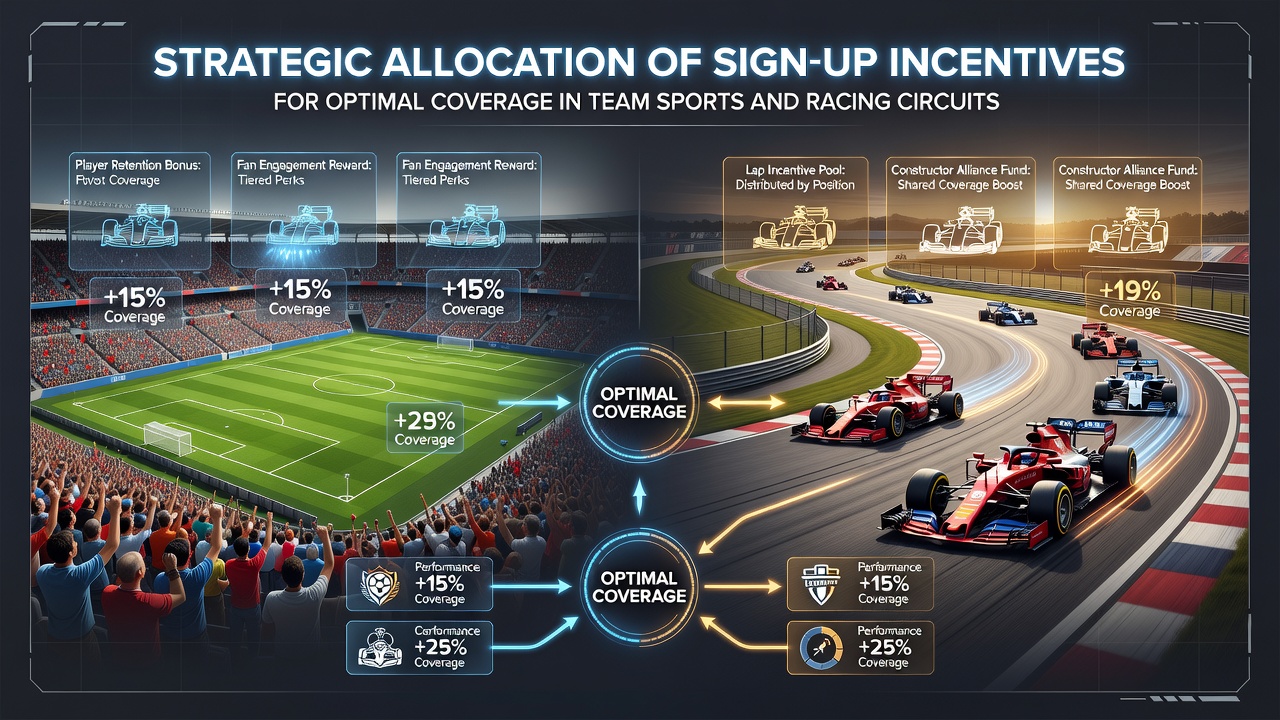
Operators in the betting sector allocate sign-up incentives to expand user bases across team sports leagues and motorsport racing series, where event schedules create distinct coverage opportunities throughout the calendar year. Data from industry reports shows that welcome bonuses, matched deposits, and risk-free bets function as tools to draw new participants into football, basketball, and similar collective competitions while also reaching audiences focused on Formula 1, MotoGP, and endurance races.
Core Components of Incentive Structures
Registration offers typically combine deposit matches, free bet credits, and enhanced odds on opening wagers, with operators adjusting these elements based on regional demand patterns and seasonal fixtures. Figures from the European Gaming and Betting Association indicate that average first-deposit bonuses range between 50 and 200 percent in major European markets, and these amounts shift according to competition intensity in team events versus circuit schedules. Observers note that shorter bonus expiration windows encourage quicker engagement during high-profile matches, while extended validity periods support sustained activity across multi-week racing campaigns.
Allocation Tactics for Team Sports Coverage
Team sports present clustered fixture lists that allow operators to direct incentives toward specific leagues or tournaments, creating focused uptake during peak periods such as domestic cup rounds or international windows. Research from the University of Nevada's gaming studies program reveals that targeted free bet promotions tied to basketball conferences generate higher conversion rates than generic offers, because participants respond directly to familiar team matchups. And yet the same data demonstrates that spreading smaller matched-deposit rewards across multiple sports within a single registration package broadens overall platform usage without concentrating activity in one code.
Operators often segment user cohorts by preferred sport, assigning higher-value incentives to football enthusiasts during transfer windows and scaling back similar rewards for basketball bettors outside playoff stretches. This segmentation relies on registration data that tracks initial sport selections, allowing platforms to refine future offers through automated rules rather than manual oversight.
Approaches in Racing Circuit Environments
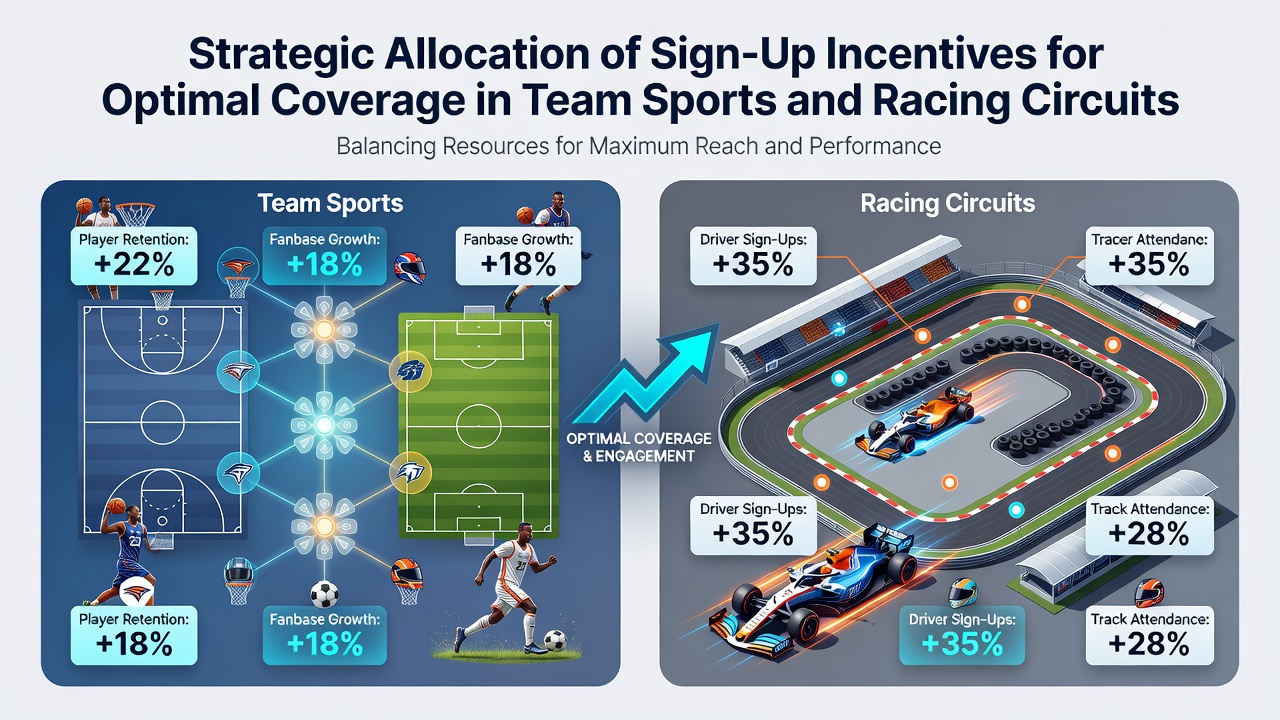
Racing circuits operate on calendars that intersperse high-attention grands prix with lower-profile support races, creating uneven demand that operators address through staggered incentive releases. Reports compiled by the Australian Institute of Family Studies highlight how sign-up bonuses timed to coincide with season-opening events in motorsport series produce measurable increases in new account activity, particularly when paired with cash-out features that reduce perceived risk on longer events. Those who monitor these patterns find that offering free bets on specific driver or constructor markets during qualifying sessions yields steadier retention than blanket promotions applied across entire weekends.
July 2026 marks the midpoint of several championship seasons, and operators have begun aligning mid-year sign-up campaigns with remaining race dates to maintain coverage momentum. Data indicates that combining these offers with loyalty multipliers for repeat circuit wagers helps convert one-time registrants into ongoing users across both individual grand prix weekends and extended championship arcs.
Integration of Data Analytics in Distribution Decisions
Platforms employ analytics platforms to map registration sources against subsequent betting volumes, enabling precise allocation of incentive budgets across team and racing verticals. Studies published by the Journal of Gambling Studies show that machine-learning models trained on historical uptake data improve the accuracy of bonus sizing by 18 to 25 percent compared with static rules, because they account for variables such as average stake size and preferred market types. Those who implement these systems report reduced bonus leakage, where incentives are redeemed but generate minimal follow-on activity.
Cross-promotional bundles that link team sports incentives with racing circuit credits appear in several operator portfolios, allowing a single registration to unlock segmented rewards. This structure reduces the need for separate accounts while ensuring that users encounter offers relevant to their primary interests rather than generic promotions.
Conclusion
Strategic allocation of sign-up incentives continues to evolve as operators refine segmentation methods and timing protocols for team sports and racing circuits. Evidence from regulatory filings and academic analyses confirms that data-driven distribution yields measurable improvements in coverage breadth and user retention across both categories, with July 2026 serving as a key reference point for ongoing seasonal adjustments.