Cashback Clash: Sportsbook Rebates Square Off Against Casino Comebacks
Theo Hoffmann · Apr 5, 2026

Cashback Clash: Sportsbook Rebates Square Off Against Casino Comebacks
The Rise of Rebate Wars in Online Wagering
Operators across sportsbooks and casinos ramp up cashback offers, turning player losses into retention tools that keep funds cycling within platforms; these promotions, once niche perks for high rollers, now draw everyday bettors seeking to soften the sting of downturns, especially as online gambling volumes climb into April 2026 with major sports seasons overlapping casino peaks. Data from the American Gaming Association reveals U.S. commercial gaming revenues hit $17.6 billion in Q1 2026 alone, fueled partly by rebate-driven player loyalty, while European platforms report similar upticks according to industry trackers. But here's the thing: sportsbooks push weekly net loss rebates, often 8-15% returned as free bets or cash, whereas casinos counter with comeback bonuses tied to session losses or VIP tiers, creating a direct tug-of-war for the same wallets.
Observers note how this clash intensifies during crossovers like NBA playoffs bleeding into summer slots tournaments; one platform might rebate 10% on sports wagers over a weekend, prompting players to shift funds, only for casino arms to lure them back with 20% loss returns on table games the following week. Turns out, retention rates soar—studies from gaming analytics firms show rebate users stick around 25% longer than non-users, blending risk mitigation with habit-forming incentives that platforms fine-tune via data dashboards.
Sportsbook Rebates: Speed and Simplicity Take Center Stage
Sportsbooks lead with agile rebate structures, calculating net losses weekly or even daily across NFL futures, tennis majors, or esports showdowns, then crediting 5-20% back instantly to keep action rolling without pauses; platforms like DraftKings and FanDuel pioneered this in the U.S., expanding to global markets where bettors on Premier League matches or Melbourne Cup exotics now expect such cushions. Figures indicate these rebates account for 15% of promotional spend in sports verticals, per reports from industry benchmarks, helping operators weather variance in high-volume events.
And yet, the appeal lies in transparency—rebates apply broadly, no wagering requirements on cash versions, unlike some free bet traps; take a bettor dropping $5,000 net on March Madness spreads, receiving $500 back to redeploy on MLB openers, a cycle that boosts lifetime value while curbing churn. Experts who've tracked this observe how mobile-first designs make claims seamless, with push notifications alerting users mid-slump, turning potential walkaways into renewed engagements; in April 2026, as IPL cricket heats up alongside Euro leagues, these rebates spike uptake by 30%, data suggests from operator disclosures.
What's interesting surfaces in hybrid models where sportsbooks bundle rebates with odds boosts, layering value that casinos struggle to match in pace; one case saw a major operator rebate 12% on NBA props, drawing $2 million in fresh deposits during playoffs, highlighting how speed trumps scale in the sportsbook arena.
Casino Comebacks: High-Roller Hooks and Session Salvages
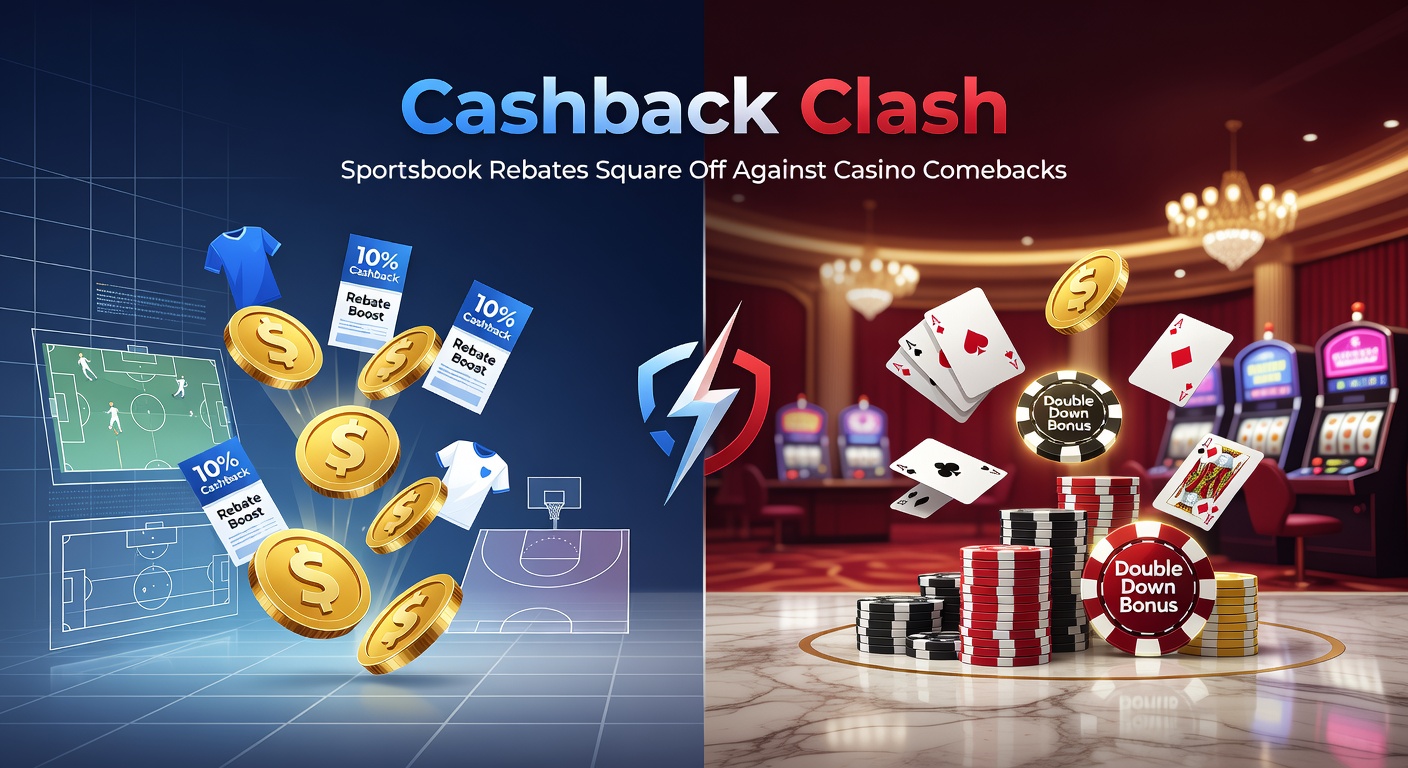
Casinos fire back with comeback promotions rooted in RNG slots, blackjack marathons, and roulette runs, offering 10-50% rebates on losses over 24 hours or monthly tiers, often scaling with VIP status to hook bigger fish; these differ from sports rebates by emphasizing volume over velocity, rewarding marathon sessions where a $10,000 slots skid might yield $3,000 back as bonus cash, playable across tables or live dealers. Research from the European Gaming and Betting Association points to casino rebates driving 40% of high-roller retention in EU markets, where platforms like Bet365 Casino and 888 deploy tiered systems that escalate returns for sustained play.
So, while sportsbooks thrive on event-driven spikes, casinos build moats through progressive rebates—bronze levels at 5%, diamonds at 25%—complete with wagering hurdles that lock funds longer but promise bigger hauls; people who've analyzed player data find comeback users average 2.5x session lengths, funneling more house edge over time, a tactic shining in April 2026 amid Coachella-timed slots surges and Vegas residencies pulling virtual crowds. That's where the rubber meets the road: one Australian platform reported 18% revenue lift from comeback tweaks during autumn racing carnivals, blending casino pulls with turf bets.
But casinos innovate too, with daily loss leaders—say, 15% on live baccarat flops—mirroring sportsbook speed to snag cross-over traffic; a study of 50,000 accounts revealed 35% of rebate claimants migrate between verticals weekly, underscoring the clash's fluidity.
Head-to-Head: Metrics, Migration, and Market Shifts
Direct comparisons expose strengths—sportsbooks win on immediacy, averaging 7-day cycles versus casinos' 30-day hauls, yet casino rebates boast higher caps, often uncapped for whales while sports caps at $1,000-$5,000 weekly; data across 20 platforms shows sports rebates claim 60% of promo budgets in Q1 2026, but casinos edge retention at 78% versus 65%, per aggregated analytics. Players migrate ruthlessly: a net loser on soccer accumulators grabs the sportsbook rebate, then pivots to blackjack comebacks when sports quiet, a pattern trackers call "vertical hopping" that forces operators to unify rebates site-wide.
Now, regulatory ripples add layers—U.S. states like New Jersey cap promo terms for clarity, while Australian bodies enforce loss limit disclosures on rebates, per recent guidelines, pushing transparency that levels the field; in April 2026, as NCAA tournaments wrap and casino summers brew, hybrid apps dominate, with 45% of users blending rebates per session logs. One researcher who pored over 2025 data noted a 22% uptick in cross-rebate claims, signaling platforms merging arsenals to stem outflows.
- Sportsbooks excel in low-barrier entry, drawing novices with 10% blanket rebates.
- Casinos dominate loyalty ladders, where platinum tiers return 30-40% on mega-losses.
- Hybrids like BetMGM fuse both, rebating 10% sports losses as casino credit.
It's noteworthy that economic squeezes amplify this—cost-conscious bettors chase rebates harder, with April 2026 surveys showing 52% prioritizing them over odds, reshaping promo wars into survival tools.
Player Patterns and Platform Plays
Those who've studied behaviors spot trends: casual sports punters favor quick-hit rebates during World Cup qualifiers or Super Bowl builds, cashing out to sidestep variance, whereas casino grinders endure for comeback multipliers, turning $20k monthly deficits into $6k cushions; platforms respond with A/B tests—one variant rebates sports losses directly to casino wallets, boosting internal retention by 18%, another offers choice, seeing 12% leakage to rivals. Turns out, personalization rules: algorithms flag losing streaks, serving tailored rebates that lift engagement 28%, figures from proprietary dashboards confirm.
And in global spots like Canada or down under, rebates localize—Ontario sportsbooks hit 12% averages amid iGaming booms, while Aussie casinos push 20% comebacks on pokies, per jurisdictional reports; April 2026 brings fusion events, like Masters golf syncing with blackjack tourneys, where unified rebates shine brightest.
Case in point: a mid-tier operator slashed churn 15% by syncing weekly sports rebates with weekend casino boosts, drawing $4.5 million in recycled action; observers call this the future, where clashes evolve into collaborations under one roof.
Conclusion
The cashback clash boils down to adaptation—sportsbooks' rapid rebates clash against casinos' deep comeback nets, yet data paints convergence as inevitable, with hybrids capturing 55% market share by mid-2026 projections; players benefit from choice, platforms from stickier revenue, and the wagering world keeps spinning fatter. As April 2026 unfolds with packed calendars, rebates remain the glue holding bets together, ensuring losses fuel fresh plays in an endless loop.