Cross-Vertical Incentive Alignment: Casino and Sportsbook Metrics Driving Football and Horse Racing Returns
Katja Beck · Aug 20, 2026
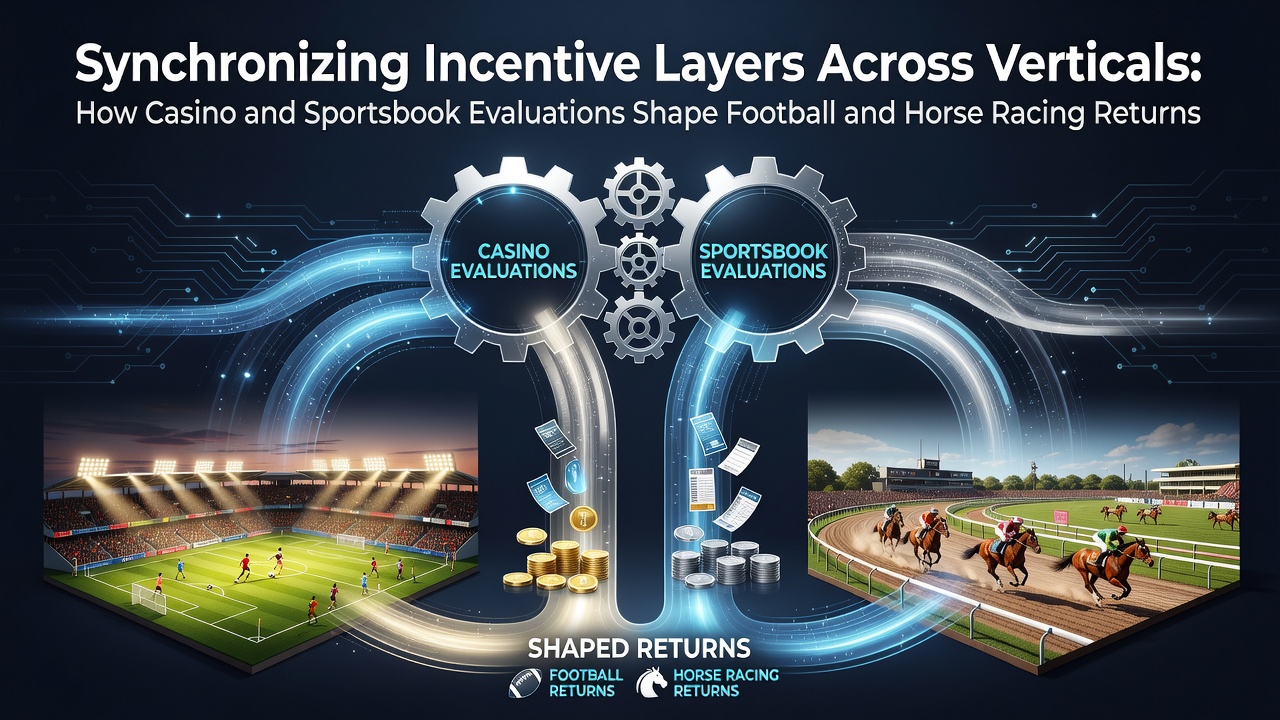
Cross-Vertical Incentive Alignment: Casino and Sportsbook Metrics Driving Football and Horse Racing Returns
Operators across multiple regions have begun aligning promotional structures between casino floors and sportsbook platforms, creating layered incentives that directly influence wagering returns in football and horse racing. Data from regulatory filings in Nevada and Victoria, Australia, shows operators adjusting bonus thresholds and cashback percentages in tandem, so that activity in one vertical unlocks enhanced odds or stake boosts in another.
Evaluating Incentive Layers
Evaluations of casino promotions typically measure play-through requirements against average bet sizes, while sportsbook assessments focus on margin compression and event-specific multipliers. When these layers synchronize, bettors gain access to compounded rewards that scale across verticals, according to reports compiled by the American Gaming Association. Observers note that such synchronization reduces isolated promotion fatigue and channels player activity toward high-margin sports like football and thoroughbred racing.
Football Returns Under Synchronized Structures
Football betting volumes respond quickly when casino loyalty points convert into enhanced accumulator boosts or cash-out options. Figures released by the Nevada Gaming Control Board indicate that operators linking slot play to football pre-match markets recorded measurable increases in handle during the 2025-26 season, with synchronized offers producing higher effective returns for participants who maintained activity across both verticals. Those who tracked redemption rates found that a single casino deposit threshold often unlocked reduced vig on selected leagues, shifting the overall payout profile without altering base odds.
Case examples from European operators illustrate the pattern. One platform introduced a weekly casino leaderboard that awarded free bet tokens valid exclusively on Premier League fixtures, resulting in documented shifts in football turnover during the same calendar window. Researchers tracking these mechanics observed that the conversion mechanics encouraged repeat deposits, which in turn supported sustained participation in both verticals through the summer transfer window and into August 2026.

Horse Racing Applications
Horse racing operators apply similar synchronization when casino cashback credits feed directly into ante-post or each-way enhancements. Records maintained by the Victorian Commission for Gambling and Liquor Regulation document that integrated programs linking electronic gaming rewards to racing betting windows produced steadier participation across major carnival periods. The structure allows a single evaluation metric, such as total casino turnover, to determine eligibility for boosted place dividends or reduced commission on exotic bets.
Analysts following these programs note that the alignment creates predictable return pathways. Bettors who meet combined thresholds across verticals encounter fewer restrictions on staking limits during peak racing weekends, which data from multiple jurisdictions shows correlates with elevated average bet values on selected meetings. This pattern holds whether the underlying evaluation uses simple deposit matching or more complex tiered loyalty ladders.
Measurement and Adjustment Mechanisms
Platforms refine these layers through ongoing performance reviews that compare redemption velocity in casino environments against conversion rates in sportsbook markets. When football or horse racing returns deviate from projected benchmarks, operators recalibrate the linkage points, such as altering the multiplier applied to transferred credits or adjusting the time windows for bonus validity. External studies from research institutions in Canada and the United States confirm that such recalibrations maintain equilibrium between player retention and margin protection across both sports.
Regional differences appear in the granularity of evaluation. North American operators tend to emphasize real-time tracking of in-play football activity, whereas Australian frameworks place greater weight on pre-race horse racing commitments tied to casino session length. Despite these variations, the underlying principle remains consistent: synchronized layers convert activity in one vertical into measurable advantages in the other.
Conclusion
Cross-vertical incentive synchronization continues to shape how returns materialize in football and horse racing betting. Regulatory data from Nevada and Victoria demonstrates that operators who align casino and sportsbook evaluations create measurable shifts in handle and redemption patterns. As platforms refine these mechanisms through 2026, the structure of rewards across verticals will determine which betting opportunities deliver the most consistent outcomes for participants who navigate the layered systems.