Decoding Payout Variations: Tracing Reward Mechanics Across Virtual Competitions and Classic Events
Yara Werner · Aug 23, 2026
Decoding Payout Variations: Tracing Reward Mechanics Across Virtual Competitions and Classic Events
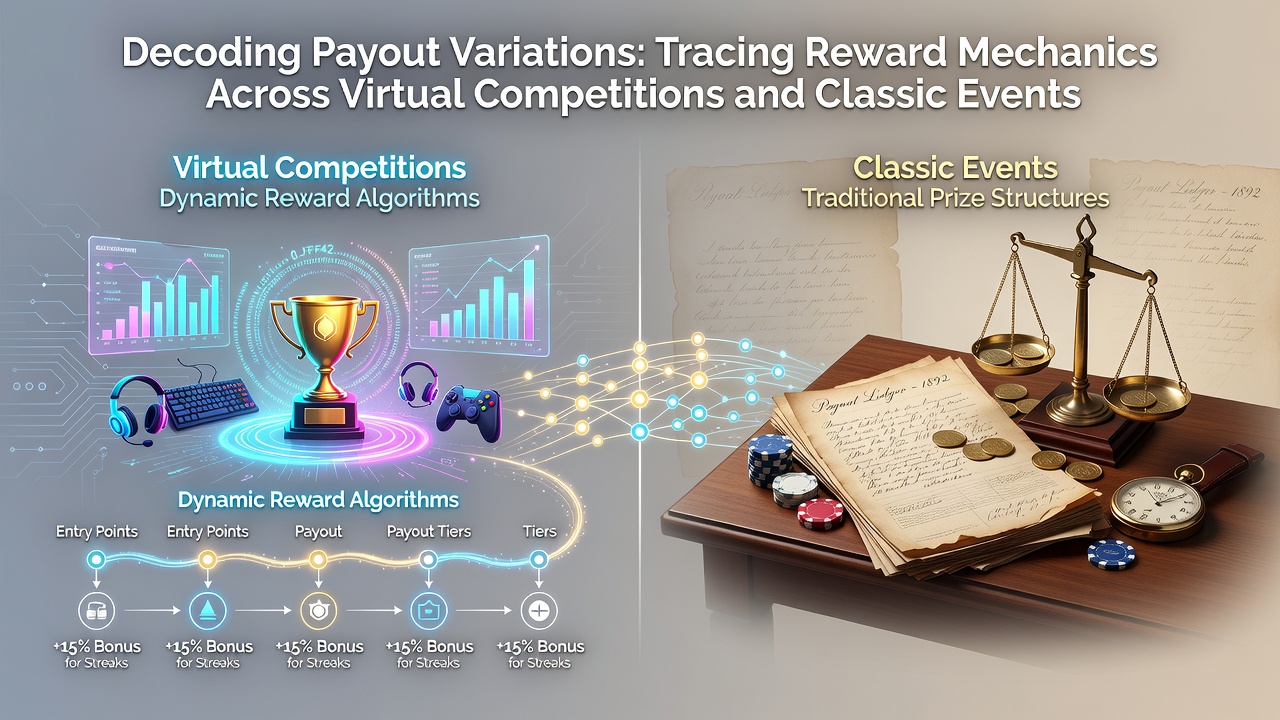
Virtual competitions have expanded rapidly since the early 2010s, and observers note that reward structures in these digital arenas often diverge sharply from those found in classic sporting events, with data from industry reports indicating prize pools in esports reaching hundreds of millions of dollars annually while traditional events rely on a mix of fixed purses, sponsorships, and performance bonuses.
Researchers have tracked how virtual platforms distribute winnings through tiered brackets, viewer engagement multipliers, and in-game currency conversions, whereas classic events such as marathons or tennis tournaments typically allocate funds via standardized ranking systems and appearance fees, and these differences become evident when comparing payout timelines that stretch from instant digital transfers to multi-month settlement periods in physical competitions.
Core Differences in Distribution Models
Virtual competitions frequently employ dynamic algorithms that adjust rewards based on real-time participation metrics, and studies from academic institutions show that this approach allows organizers to scale prizes upward during peak viewership hours, while classic events maintain static prize lists published months in advance, creating predictability that appeals to athletes who plan training cycles around known financial outcomes.
One analysis of tournament data revealed that esports titles often split total prize pools among top 20 percent of entrants through progressive elimination rounds, yet classic events concentrate larger shares among the top three finishers, and this concentration pattern holds across disciplines ranging from cycling races to chess championships where historical records document consistent top-heavy allocations.
Payment processing also varies, with digital platforms leveraging cryptocurrency options and instant wallet transfers that settle within hours, whereas governing bodies for traditional sports require verified bank transfers that incorporate tax withholdings and compliance checks extending over weeks, and regulatory filings from agencies such as the National Council on Problem Gambling highlight how these extended timelines influence participant cash flow management in established circuits.
August 2026 Developments and Emerging Patterns
By August 2026, several virtual competition organizers announced updates to reward mechanics that incorporated viewer-voted bonus rounds, and preliminary figures from platform analytics indicate these additions boosted average per-player earnings by 12 to 18 percent compared with the previous year, while classic events introduced parallel adjustments through enhanced sponsorship tiers that tie payouts to social media engagement thresholds without altering core ranking formulas.
Those tracking crossovers between formats point to hybrid events where digital qualifiers feed into live finals, and case examples from regional circuits demonstrate that participants advancing from virtual stages receive supplemental stipends calibrated to travel and preparation costs, thereby narrowing the gap between the two reward ecosystems.
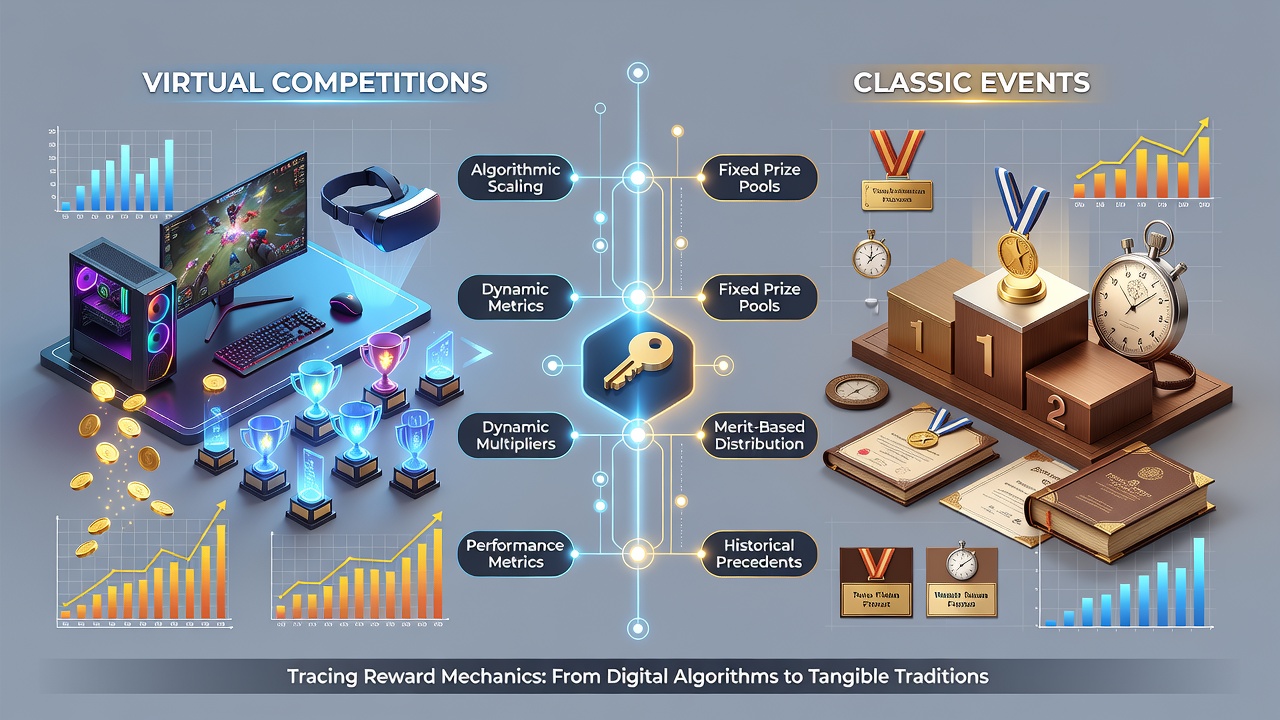
Industry organizations such as the Esports Integrity Commission have published guidelines recommending transparent disclosure of algorithmic reward factors, and compliance reports show increasing adoption among major titles, whereas federations overseeing classic sports have long maintained public ledgers of prize money that allow direct comparison across seasons and venues.
Case Examples from Different Regions
In North American circuits, virtual basketball leagues distribute earnings through performance-based tokens that convert to cash at variable rates tied to market conditions, and observers record fluctuations of up to 25 percent week to week, while Australian rugby union events maintain fixed prize schedules that remain unchanged regardless of external economic shifts, according to data compiled by regional sports authorities.
European motorsport series have begun experimenting with overlay rewards for virtual simulations that mirror real-race outcomes, and one documented pilot program allocated additional bonuses to drivers who achieved matching virtual and physical results, thereby linking the two formats through shared performance metrics rather than separate payout streams.
Academic papers examining these mechanics emphasize that scalability remains a key advantage for virtual systems, since additional entrants require minimal marginal cost increases, whereas classic events face physical constraints on participant numbers that cap total prize pools unless new revenue sources emerge, and longitudinal studies confirm that this scalability has driven the growth of global digital tournaments over the past decade.
Conclusion
Tracing reward mechanics across these domains reveals consistent structural contrasts in allocation speed, concentration, and adaptability, with virtual competitions favoring fluid, data-driven distributions and classic events preserving established hierarchies backed by regulatory oversight, and continued monitoring through 2026 and beyond will clarify whether convergence occurs through technological integration or remains distinct along format lines.