From First-Time Bonuses to Lasting Engagement in Crowded Betting Markets
Klara Neumann · Jul 21, 2026
From First-Time Bonuses to Lasting Engagement in Crowded Betting Markets
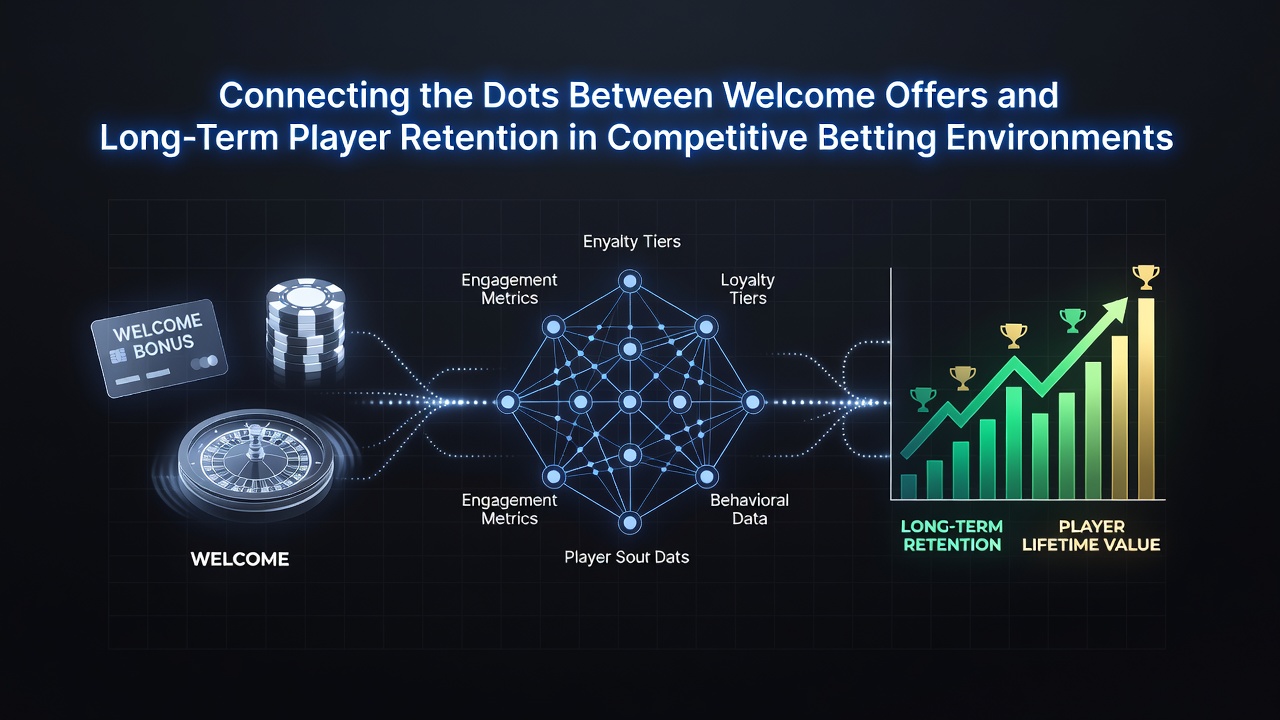
Operators in high-competition betting spaces deploy welcome offers to draw in new accounts, yet the path from initial signup to repeated activity involves several measurable factors. Data collected across multiple jurisdictions shows that structured bonus structures, when paired with clear wagering requirements, correlate with higher rates of account activity extending beyond the first 30 days. Industry analyses from 2025 through mid-2026 indicate that markets with five or more major platforms competing for the same user base experience faster turnover unless retention mechanisms activate early.Initial Offers and Early Behavior Patterns
Welcome packages typically combine deposit matches, free bets, or no-deposit credits, and operators track redemption rates alongside subsequent deposit frequency. Figures released by the Australian Communications and Media Authority in early 2026 revealed that accounts activated through matched deposits up to 200 percent maintained at least one additional funded session within 14 days at rates 18 percent higher than accounts started without incentives. Those same datasets also noted that users who completed wagering requirements within the first week showed stronger month-two retention compared with users who let offers expire unused.
Competition intensifies these dynamics because rival platforms launch overlapping promotions within days of each other, prompting users to test multiple sites before settling. Observers note that platforms able to convert the welcome phase into personalized game recommendations or loyalty tier progressions retain larger shares of those trial users through the second and third months.
Transition Points That Influence Longer Stays
The shift from welcome incentives to ongoing engagement often hinges on the timing of follow-up rewards. Research compiled by the University of Nevada, Las Vegas International Gaming Institute demonstrated that operators introducing tiered loyalty credits within 10 days of the initial bonus redemption recorded a 12 percent lift in active days per user over a six-month window. The study tracked more than 40,000 accounts across two competitive European markets and found that delayed loyalty triggers produced weaker results, while immediate post-bonus recognition strengthened repeat logins.
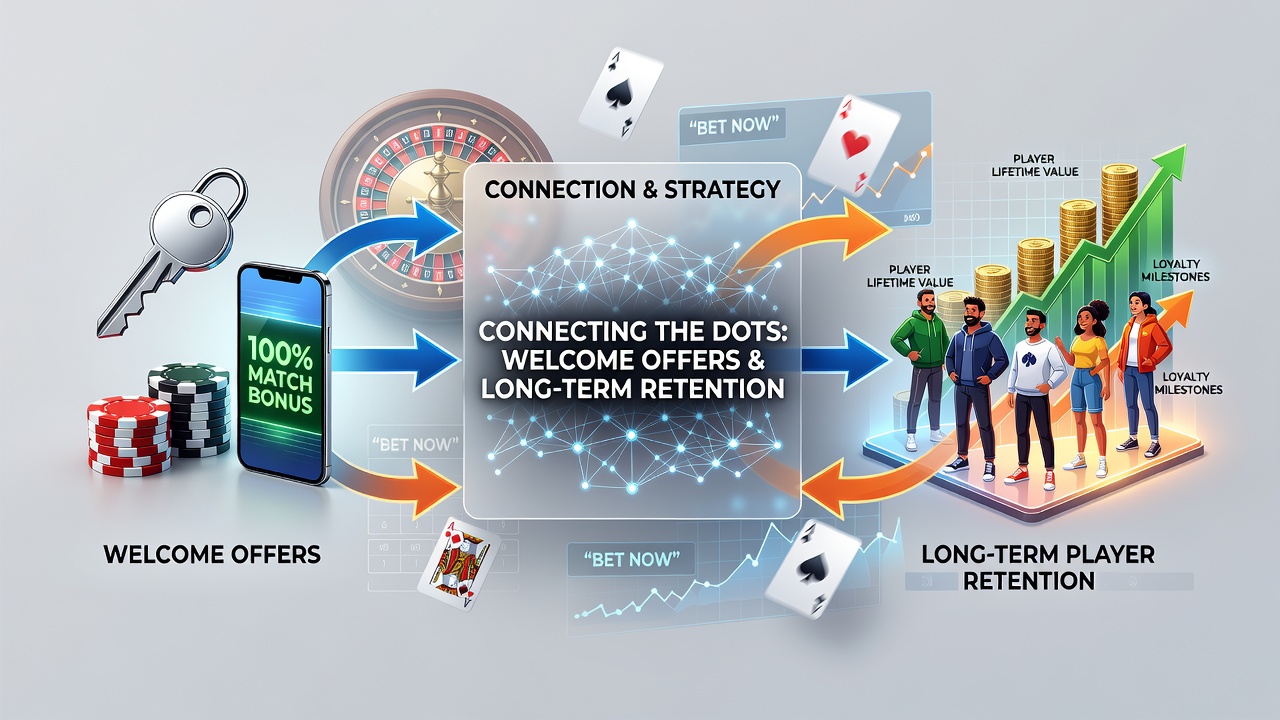
Product breadth also matters once the first offer cycle ends. Platforms that expand from sports-focused welcome bonuses into casino or live dealer options within the same account interface keep users inside one ecosystem rather than prompting migration. July 2026 regulatory updates in several Canadian provinces required clearer separation between promotional funds and real-money balances, and early compliance reports suggest this transparency helped reduce early cash-outs that previously interrupted retention sequences.
Measurement Approaches Across Markets
Retention metrics commonly include day-30, day-90, and day-180 active user percentages along with average revenue per retained account. Operators compare cohorts that entered through different welcome structures to isolate which elements drive sustained play. A 2025 industry white paper prepared by the European Gaming and Betting Association examined five major markets and reported that deposit-match offers paired with cashback ladders produced the steadiest retention curves, whereas free-bet-only packages showed steeper drop-offs after the promotional period closed.
Segmentation further refines these outcomes. Accounts opened by users aged 25 to 34 responded more strongly to loyalty milestone rewards, while older cohorts maintained steadier activity when welcome offers included extended expiry windows. Cross-market comparisons indicate that regulatory limits on bonus size in one jurisdiction can shift user acquisition volume to neighboring regions without similar caps, altering retention benchmarks accordingly.
Conclusion
Connecting welcome offers to long-term retention requires alignment between acquisition mechanics and subsequent engagement tools. Data from regulatory filings, academic studies, and operator cohorts show that timing, transparency, and product expansion each contribute measurable effects on how long new accounts remain active. Platforms that treat the welcome phase as the start of a longer sequence rather than a standalone event record stronger retention statistics across competitive environments.