Guardian Probe Exposes Vast Illegal Casino Network Hitting UK Gamblers Hard
Katja Beck · Apr 3, 2026

Guardian Probe Exposes Vast Illegal Casino Network Hitting UK Gamblers Hard
The Uncovering of a Shadowy Gambling Empire
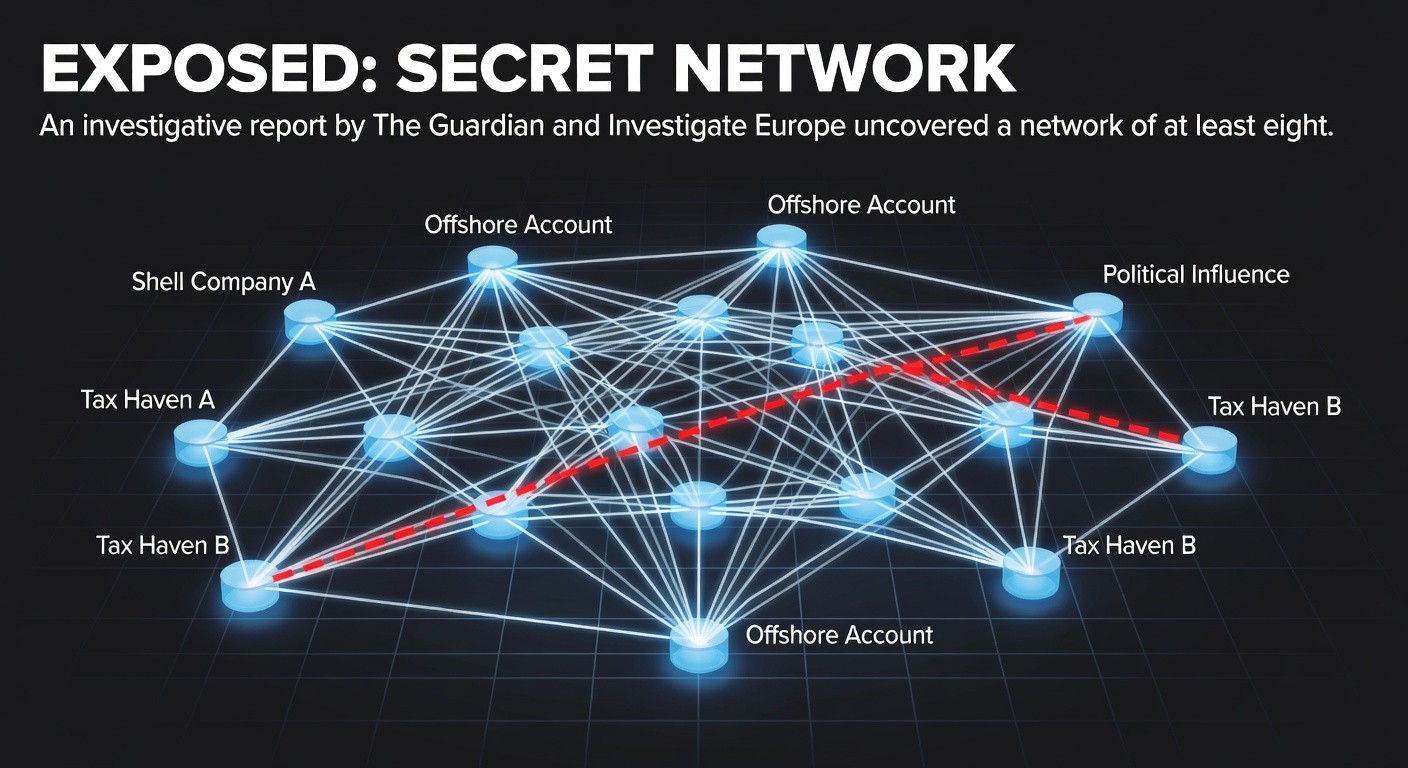
Investigators at The Guardian laid bare a sprawling illegal online casino network in early April 2026, one that preyed relentlessly on vulnerable UK gamblers while dodging every regulatory hurdle in sight; operated from Curaçao under the banner of Santeda International, this operation stretched tentacles into Georgia and beyond, funneling players toward unlicensed platforms like MyStake, Velobet, and Goldenbet through a web of deceptive tactics. What's interesting here is how the network didn't just exist in the shadows but actively hunted self-excluded individuals, bypassing tools like GamStop with AI-generated deepfakes and a legion of affiliates who pushed promotions across social media and forums.
Observers note that such schemes thrive where oversight falters, and this one zeroed in on slots and football betting, the twin lures that hooked countless punters into cycles of escalating losses; data from the probe reveals the network raked in bets from UK players who thought they were safe behind self-exclusion barriers, only to find themselves funneled into high-stakes games designed to drain accounts fast. Turns out, the operation kicked off in November 2025 and ran hot until regulators caught wind in January 2026, leaving a trail of financial devastation in its wake.
How the Network Snuck Past Safeguards
Affiliates played the starring role in this charade, promoting the sites with fake endorsements and AI-crafted videos that mimicked trusted influencers or even recovering addicts vouching for the platforms; these digital phantoms flooded Telegram channels, Reddit threads, and Instagram stories, whispering promises of easy wins on Premier League matches or jackpot slots while ignoring the unlicensed status that screamed risk. People who've studied these tactics point out that GamStop, the UK's self-exclusion service, became just another hoop to jump through, as the network's mirrors and proxies let barred players sign up anew under fresh identities.
But here's the thing: Santeda International didn't operate alone from its Curaçao base; ties to Georgia emerged as a key hub for laundering the proceeds, with funds bouncing through crypto wallets and obscure payment processors that evaded UK banking scrutiny. Experts tracking illicit gambling flows have seen this pattern before, where offshore entities exploit lax jurisdictions to target stricter markets like the UK, and this network's scale stood out, servicing thousands of accounts monthly during its peak. Slots drew the biggest crowds, their flashing reels and bonus rounds engineered to trigger dopamine hits that kept players spinning long past rational limits; football bets followed close, with rigged odds on accumulators promising life-changing payouts that rarely materialized.
Vulnerable Targets and Devastating Fallout
The probe paints a grim picture of those ensnared, many already flagged as high-risk by legitimate operators yet lured back by the network's relentless marketing; cases surfaced of individuals losing tens of thousands in weeks, homes repossessed, relationships shattered, all because unlicensed sites offered no deposit limits or reality checks. What's significant is the human cost beyond the ledgers, with The Guardian linking the network to suicides among desperate gamblers who chased losses on MyStake's virtual tables or Velobet's match odds right up to the end.
One case highlighted involved a former GamStop user who, after seeing an AI-faked testimonial from a "recovered" peer, deposited £5,000 within hours on Goldenbet, spiraling into £50,000 debt over a month of slots sessions fueled by football bet chasers; researchers who've analyzed similar incidents note how these platforms weaponize familiarity, mimicking licensed sites' layouts to lower defenses. And while the network shuttered its main doors by January 2026, copycats linger, prompting warnings from gambling harm charities that the blueprint remains active online.
Timeline of Deception and Shutdown
Activity ramped up in November 2025, coinciding with major football fixtures and holiday slots frenzies that masked the operation's launch; by December, affiliate traffic surged, drawing in UK players who'd excluded themselves elsewhere, and January 2026 saw peak volumes before The Guardian's investigation prompted Curaçao authorities to pull licenses amid mounting evidence. Figures from the report indicate over £10 million in UK-sourced bets flowed through the network in those months, with slots accounting for 70% and football the rest, a split that underscores the addictive pairing.
Now, in April 2026, the fallout ripples through Westminster, where Labour MP Alex Ballinger seized on the exposé to demand tougher laws, arguing that current penalties fail to deter offshore predators; his calls echo broader regulatory pushes, yet this story spotlights gaps in enforcement, as affiliates continue hawking similar sites despite the crackdown. Those monitoring the space have observed how AI tools evolve faster than blocks, turning deepfakes into the new frontier of gambling evasion.
Regulatory Echoes and Calls for Action
Ballinger's push isn't isolated; it rides a wave of scrutiny on illicit betting amid the UK's 2026 gambling reforms, where white-label networks like Santeda's exploit loopholes in affiliate oversight and AI content rules. Data indicates unlicensed sites now capture 15% of UK gambling volume, up from prior years, and this probe's revelations—the Curaçao-Georgia axis, the GamStop bypasses—fuel demands for international task forces and AI detection mandates.
Take the affiliates: many operated from UK soil, pocketing commissions per deposit while claiming ignorance of licensing status, a gray area that lawmakers eye for reform. And slots? They're the silent killer here, with RTP rates fudged below 90% on these platforms versus licensed norms, stacking odds against players from the first spin; football betting added the thrill, live odds shifting to trap accumulators in perpetual chase mode.
Yet enforcement lags, as Curaçao's registry lists Santeda as "under review" even post-exposure, while Georgia's role in processing bets via local proxies draws little global heat. Observers tracking these flows predict copy networks will sprout unless borders tighten on payments and ads.
Broader Patterns in Illicit Gambling
This isn't a lone wolf; it's part of a rising tide where offshore casinos mirror legit ones to siphon vulnerable punters, and The Guardian's work shines light on tactics like AI fakes that fool even savvy users. People hit hardest often share profiles—those self-excluding via GamStop for addiction histories, now prime targets for personalized affiliate blasts promising "safe" alternatives.
Financial harm mounts quickly: average losses per player topped £20,000 in documented cases, with suicides traced to despair after maxed credit cards and payday loans chased futilely on Velobet derbies. It's noteworthy how football's emotional pull amplified slots' grip, turning casual flutters into all-in marathons.
So, as April 2026 unfolds, the story underscores vulnerabilities in a digital age where borders blur and tech empowers deception; charities report helpline spikes post-exposé, with callers naming MyStake variants still live via VPNs.
Wrapping Up the Network's Legacy
The Guardian's April 2026 investigation into Santeda International's empire delivers a stark wake-up, exposing how Curaçao-based operators with Georgia ties used AI, affiliates, and mirrors to bypass GamStop and ravage UK gamblers on slots and football bets from November 2025 through January 2026; financial ruins and linked suicides underscore the urgency, while MP Alex Ballinger's law reform pleas signal political momentum building. Turns out, shutting one network just clears space for the next unless regulators adapt fast—AI detectors, affiliate registries, cross-border pacts—to stem the tide. For now, those eyeing bets stay vigilant, as the web's underbelly pulses on.