Optimizing Free Bet Combinations Across Multiple Betting Platforms in Sports and Esports
Yara Werner · Jul 2, 2026
Optimizing Free Bet Combinations Across Multiple Betting Platforms in Sports and Esports
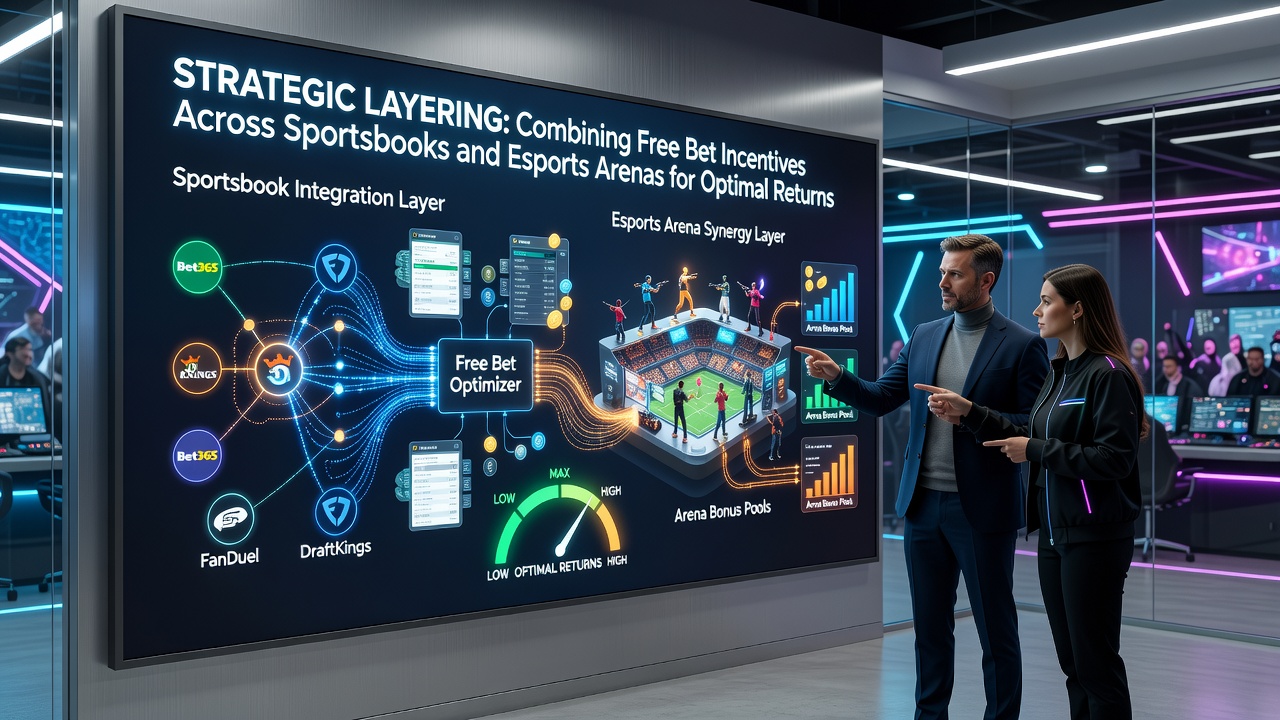
Strategic layering involves coordinating free bet incentives from various sportsbooks and esports platforms to align promotional terms with betting opportunities, and operators have expanded these offers as competition intensifies through 2026. Research indicates that users who match bonus structures with specific event types can extend the effective value of initial deposits across multiple accounts, whereas isolated use of single-platform promotions often yields lower net returns. Data from industry analyses show that free bet credits frequently carry wagering requirements ranging from 5x to 10x, which influences how bettors sequence their activity between traditional sports markets and esports titles.
Core Mechanics of Incentive Layering
Free bet incentives typically arrive as sign-up bonuses, reload offers, or event-specific promotions, and layering requires tracking expiration dates alongside minimum odds thresholds across providers. Observers note that platforms in both sports and esports sectors structure these rewards differently, with some allowing cash-out options while others restrict them to settled bets only. Those who've examined user patterns find that combining a sportsbook free bet on a football match with an esports credit on a concurrent tournament can distribute risk when events share overlapping time windows, although success depends on precise calculation of implied probabilities.
Integration Across Sportsbook and Esports Offerings
Sportsbooks often release free bets tied to major leagues, and esports arenas mirror this approach with incentives linked to high-profile matches in titles such as League of Legends or Counter-Strike. Figures reveal that participants who apply one platform's bonus to pre-match odds and another to live in-play segments sometimes maintain higher overall exposure without additional capital outlay. A report from the Nevada Gaming Control Board highlights how multi-state operators track cross-platform activity, yet individual bettors remain responsible for adhering to each site's terms during any layered sequence.
Timing and Platform Selection Factors
July 2026 saw several platforms adjust bonus structures ahead of seasonal esports tournaments, which created windows where layered applications produced measurable differences in account balances according to aggregated transaction data. Bettors who monitor rollover conditions across accounts can identify opportunities where one free bet's payout funds the qualifying stake for a subsequent offer, and this approach appears in documentation from various operators. What's interesting is how geographic restrictions on certain promotions affect layering viability, since users in different regions encounter varying eligibility rules that operators enforce through verification processes.

Data Patterns in Combined Usage
Studies from academic researchers at institutions including the University of Sydney indicate that participants engaging multiple platforms report higher retention of promotional value when they segment wagers by volatility level, placing lower-risk bets with one incentive and higher-variance selections with another. Evidence suggests that esports events with shorter match durations allow faster cycling of free bet credits compared with longer sports fixtures, which affects how users time their sequences. Australian regulatory updates have noted increased scrutiny on bonus advertising, prompting clearer disclosure of terms that in turn support more informed layering decisions.
Regulatory Context and Compliance Elements
Authorities in various jurisdictions require platforms to publish clear rules on bonus stacking, and operators respond by embedding restrictions that prevent direct transfer of credits between sites. Those monitoring market trends observe that compliance documentation from bodies such as the Victorian Commission for Gambling and Liquor Regulation outlines expectations around responsible promotion use, which indirectly shapes how layering occurs within legal boundaries. Accounts that exceed certain activity thresholds may trigger additional verification steps, yet the underlying mechanics remain consistent across sports and esports verticals.
Conclusion
Strategic layering of free bet incentives continues to evolve alongside platform expansions in both sportsbooks and esports arenas, with available data reflecting measurable impacts on user engagement metrics. Operators adjust terms periodically while users apply systematic approaches to align promotions with event calendars, and external reports from regulatory and academic sources provide context for these developments without prescribing specific methods. The practice depends on accurate tracking of conditions and timely execution within each platform's framework.