Platform Synergies: Linking Equine Event Markets With Digital Competition Odds Through Shared Loyalty Structures
Klara Neumann · Aug 6, 2026
Platform Synergies: Linking Equine Event Markets With Digital Competition Odds Through Shared Loyalty Structures
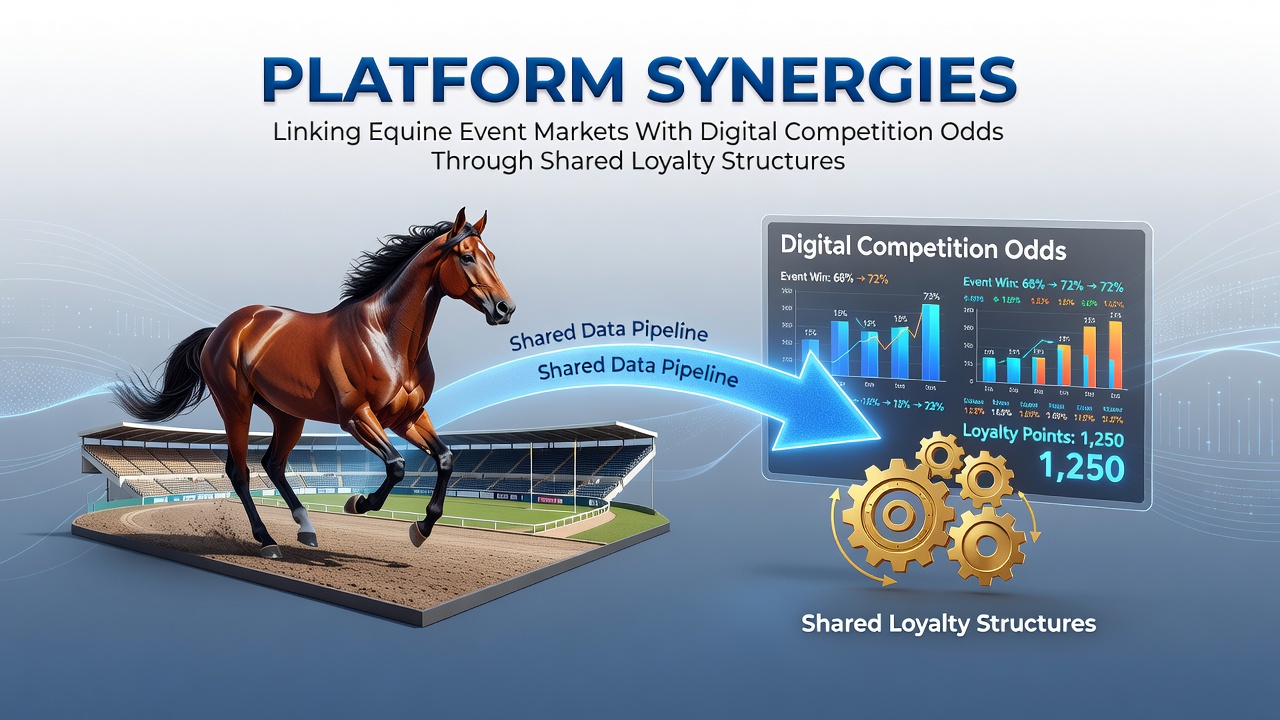
Operators in multiple jurisdictions have developed loyalty frameworks that transfer points and tier benefits across horse racing wagering and digital competition betting sections on the same platform, and this integration allows users to accumulate rewards from equine events while applying them toward esports or other digital odds markets. Data from industry analyses indicate that such structures emerged more prominently after 2024 as operators sought to stabilize user engagement amid shifting participation patterns between traditional sports and emerging digital formats.
Mechanics of Shared Loyalty Integration
Platforms assign points based on stake volume and event type, then permit redemption across categories where a bettor who places wagers on thoroughbred races can convert accumulated credits into bonuses applicable to digital competition matches, and the process relies on unified account ledgers that track activity without requiring separate registrations. Studies conducted by research institutions such as those affiliated with the University of Nevada Reno's gaming research center have documented how these systems reduce churn rates by maintaining a single progression path for participants who move between markets.
One operator based in Australia implemented a tiered rewards model in early 2025 that granted accelerated point multipliers for combined activity in horse racing and digital tournaments, after which internal figures showed a measurable increase in cross-category sessions during the subsequent quarter. Similar approaches appear in European markets where trade groups like the European Gaming and Betting Association have noted operators testing loyalty bridges to align seasonal equine calendars with year-round digital event schedules.
Market Data and Participation Patterns
Figures compiled by regulatory bodies in New Jersey and Pennsylvania reveal that horse racing betting volumes maintained steady quarterly totals through mid-2026 while digital competition segments recorded faster growth rates, and loyalty linkages have helped operators balance these trajectories by directing equine participants toward digital offerings during off-peak racing months. Reports from the Australian Communications and Media Authority further indicate that integrated reward systems correlate with higher average session durations when users can apply credits earned on tracks to live digital events without resetting progress.
Observers tracking platform analytics have identified August 2026 as a period when several major operators rolled out updated loyalty APIs that synchronize real-time odds from equine fixtures with digital competition lines, allowing seamless point transfers at the moment of settlement. This timing coincided with expanded esports tournament calendars in North America and Europe, creating additional opportunities for users to deploy rewards across both domains within the same account cycle.

Cross-Market Retention Strategies
Retention campaigns built around shared structures often feature targeted promotions that activate after a user completes a set number of equine wagers, unlocking digital odds multipliers or exclusive tournament entries, and these sequences encourage continued platform use rather than migration to competitors. Research papers published by the International Centre for Gaming Regulation have examined how such mechanics influence long-term account value, showing that participants engaged in multiple verticals through unified loyalty tend to maintain higher deposit frequencies over twelve-month periods.
Take one platform operating across Canadian provinces that linked its thoroughbred racing section to digital competition markets in late 2025, after which publicly reported metrics indicated a 12 percent rise in multi-vertical activity within six months. The approach relied on transparent point valuations that remained consistent regardless of whether the originating wager came from live racing or virtual events, and users received monthly statements detailing transferable balances.
Regulatory Considerations Across Regions
Authorities in different jurisdictions have begun reviewing how shared loyalty systems affect responsible gambling controls, with some requiring operators to display unified loss limits across linked categories rather than allowing separate thresholds for equine and digital sections. Guidelines issued by bodies such as the Malta Gaming Authority emphasize clear disclosure of point conversion rates and redemption rules to ensure participants understand the full scope of their activity before engaging in cross-market betting.
Industry associations continue to publish best-practice documents that address data handling for loyalty ledgers spanning multiple product types, and these resources stress the importance of maintaining separate responsible gambling tools even when rewards flow freely between segments. Platforms that adopted early versions of these frameworks in 2025 reported fewer compliance queries from regulators compared with those maintaining isolated reward pools.
Conclusion
Shared loyalty structures continue to evolve as operators refine the technical connections between equine event markets and digital competition odds, with ongoing implementations scheduled through the remainder of 2026 and into subsequent years. Participation data from multiple regions demonstrate consistent patterns of cross-category engagement when rewards remain portable, while regulatory developments focus on transparency and player protection within these integrated environments. The resulting systems provide measurable operational efficiencies for platforms and structured progression paths for participants who engage across both traditional and digital betting formats.