Poker Tournaments Reshaping Esports Betting Through Shared Mechanics and Incentive Models
Theo Hoffmann · Aug 20, 2026
Poker Tournaments Reshaping Esports Betting Through Shared Mechanics and Incentive Models
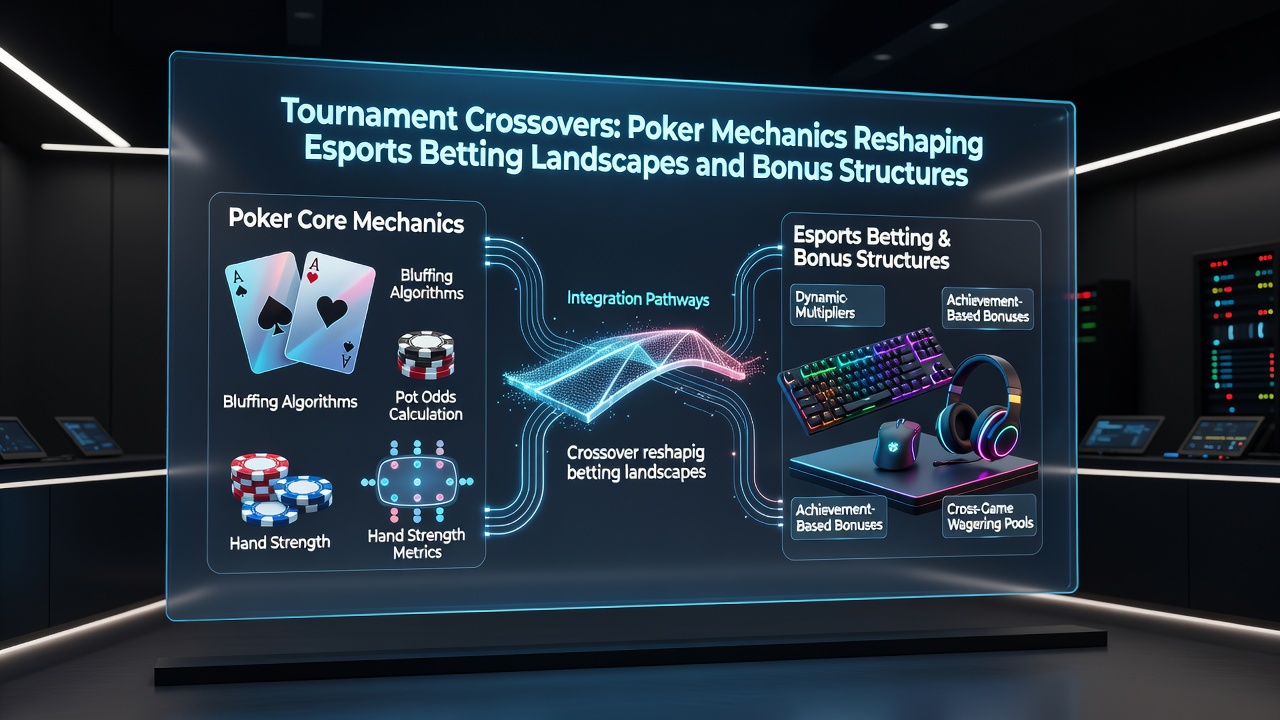
Esports betting markets have incorporated several structural elements from poker tournaments over recent years, and these adaptations appear in both live wagering options and promotional frameworks across multiple platforms. Tournament formats that emphasize progression stages, blind increases, and elimination rounds now mirror poker event designs where participants face escalating commitments and risk management decisions. Observers note that this crossover creates betting environments where users calculate pot odds equivalents when placing wagers on match outcomes or player performances during extended esports events.
Mechanics Transferring Between Formats
Blinds and antes from poker have influenced timed betting windows in esports tournaments, where odds shift at predetermined intervals to reflect changing probabilities as matches progress. Data from industry reports shows that platforms adopting these timed mechanics report higher engagement rates during major esports competitions scheduled throughout 2025 and into August 2026. Esports titles such as League of Legends and Counter-Strike feature bracket structures that align with poker-style multi-table tournaments, allowing bettors to track cumulative performance metrics rather than single-match results alone.
Researchers at various academic institutions have documented how all-in mechanics translate into esports contexts through parlay-style bets that require users to commit stakes across multiple rounds without mid-tournament adjustments. These structures encourage strategic bankroll management similar to poker tournament play, where participants preserve chips for later stages. Figures from North American gaming associations indicate that such crossover features have expanded the range of available wager types in competitive gaming markets by approximately 25 percent since 2023.
Bonus Structures Evolving Through Cross-Application
Promotional offers in esports betting have adopted poker-style reward systems that include leaderboard progression, satellite qualifiers, and tiered payout distributions based on overall tournament performance. These incentives replace flat deposit matches with dynamic bonuses that scale according to user activity across connected events, much like poker sites award points for consistent participation in scheduled tournaments. One study from a Canadian research group found that platforms implementing these layered reward models experienced measurable increases in repeat user sessions during peak esports seasons.
According to reports from the European Betting and Gaming Association, bonus frameworks now frequently incorporate elements such as re-buy options and add-on features that allow bettors to extend their participation when initial wagers underperform, directly paralleling poker tournament rules. This approach has led to revised terms across several operators, where bonus funds unlock through completion of multi-stage challenges rather than single deposit requirements. Data indicates these changes coincide with broader market shifts observed in regions outside traditional UK frameworks, including regulatory updates in Australia and select US states.
Market Data and Regional Developments
Industry tracking through 2026 highlights continued growth in crossover products, particularly as major esports organizers schedule events that accommodate extended tournament formats. A report from an Australian academic source on digital wagering patterns notes that users familiar with poker mechanics demonstrate faster adaptation to complex esports betting interfaces compared to those without such background. This familiarity translates into higher volumes of in-play wagers placed during bracket stages that span multiple days.
Regulatory bodies in various jurisdictions have begun reviewing how these integrated systems affect consumer protections, with discussions focusing on transparency in odds calculations that blend poker-derived probability models with esports performance data. Platforms operating in multiple markets report that unified bonus structures reduce operational complexity while maintaining compliance across different licensing requirements. Observers note steady expansion of these features ahead of August 2026 schedules for international esports circuits.
Implementation Examples Across Platforms
Several operators have introduced dedicated sections for hybrid tournaments where poker mechanics govern entry fees and payout structures for esports predictions. These sections feature qualifying rounds that feed into larger prize pools, creating satellite-style pathways similar to those found in major poker series. Evidence from trade publications shows increased participation numbers when such pathways connect directly to live esports events with real-time betting overlays.
Additional adaptations include heads-up betting formats borrowed from poker duels, applied to one-versus-one esports matchups with adjusted odds that account for variance across game maps or rounds. This method allows for more granular wager placement while preserving the risk-reward balance characteristic of poker confrontations. Data collected through 2025 demonstrates consistent uptake in regions where regulators permit these experimental structures.
Conclusion
The integration of poker mechanics into esports betting continues to influence both wager mechanics and promotional designs as markets mature into 2026. Platforms that apply these shared elements report expanded user options alongside evolving compliance considerations across international jurisdictions. Continued observation of these patterns will track further refinements in how tournament structures from one domain reshape engagement in another.