Reward Structures Bridging Field Sports, Horse Tracks, and Digital Playgrounds
Katja Beck · Aug 4, 2026
Reward Structures Bridging Field Sports, Horse Tracks, and Digital Playgrounds
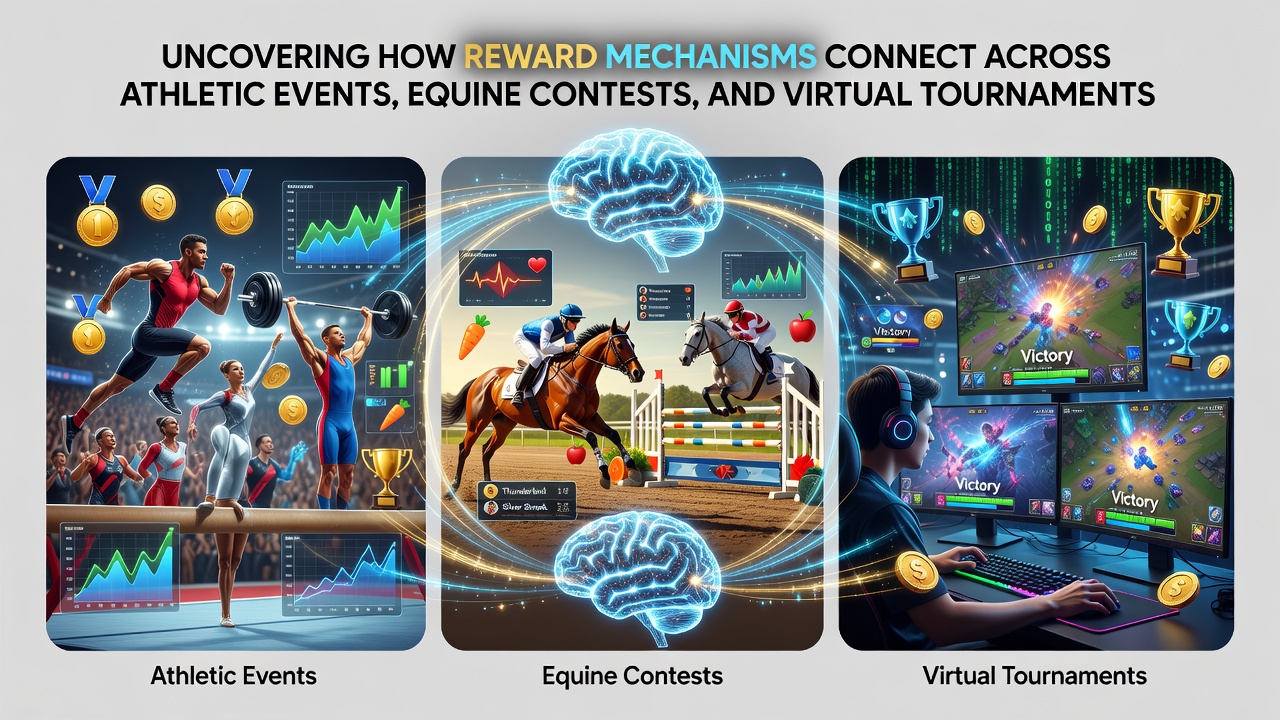
Platforms operating across athletic events, equine contests, and virtual tournaments deploy overlapping reward systems that transfer points, bonuses, and loyalty tiers between categories, creating unified user pathways rather than isolated experiences. Operators structure these mechanisms so that wagers placed on football matches generate credits redeemable on horse races or esports matches, while data from integrated systems shows consistent patterns in how sign-up offers, reload bonuses, and cashback programs align across verticals.
Core Components of Cross-Category Reward Systems
Research from industry reports highlights that most major operators use a single account wallet and shared loyalty currency, which means activity in one area directly influences rewards available in others. A bet on an athletic contest might unlock a multiplier applied to equine wagers, whereas esports tournament participation often contributes to tier progression that grants free bets usable anywhere on the platform. Figures from 2025 operator filings reveal that roughly 65 percent of users engage with at least two verticals within the same account, driven by these interconnected incentives.
August 2026 data from several European markets shows increased adoption of unified reward dashboards, where users track progress across sports, racing, and virtual events in one interface. These dashboards display accumulated points alongside category-specific milestones, allowing seamless redemption without separate logins or transfers. The design reduces friction and encourages sustained activity across all three areas simultaneously.
Mechanics in Athletic Events and Equine Contests
Athletic event rewards typically center on match-day specials, accumulator bonuses, and live-betting cashback, yet these same structures extend to equine contests through shared promotional calendars. Operators apply identical percentage boosts to multi-leg bets whether the legs involve football outcomes or horse finishes at major festivals. Case studies from Australian wagering providers indicate that users who combine athletic and racing activity receive enhanced cashback rates compared with single-category participants, reflecting deliberate design choices that reward diversification.
Equine-specific loyalty programs frequently mirror the structure of sports equivalents, offering tiered benefits such as enhanced odds, exclusive streaming access, and birthday bonuses that carry over to virtual tournament sections. When a user reaches a higher tier through consistent horse racing engagement, the upgraded status automatically applies to esports betting limits and promotional eligibility, creating measurable continuity in user treatment across domains.
Integration Patterns in Virtual Tournaments
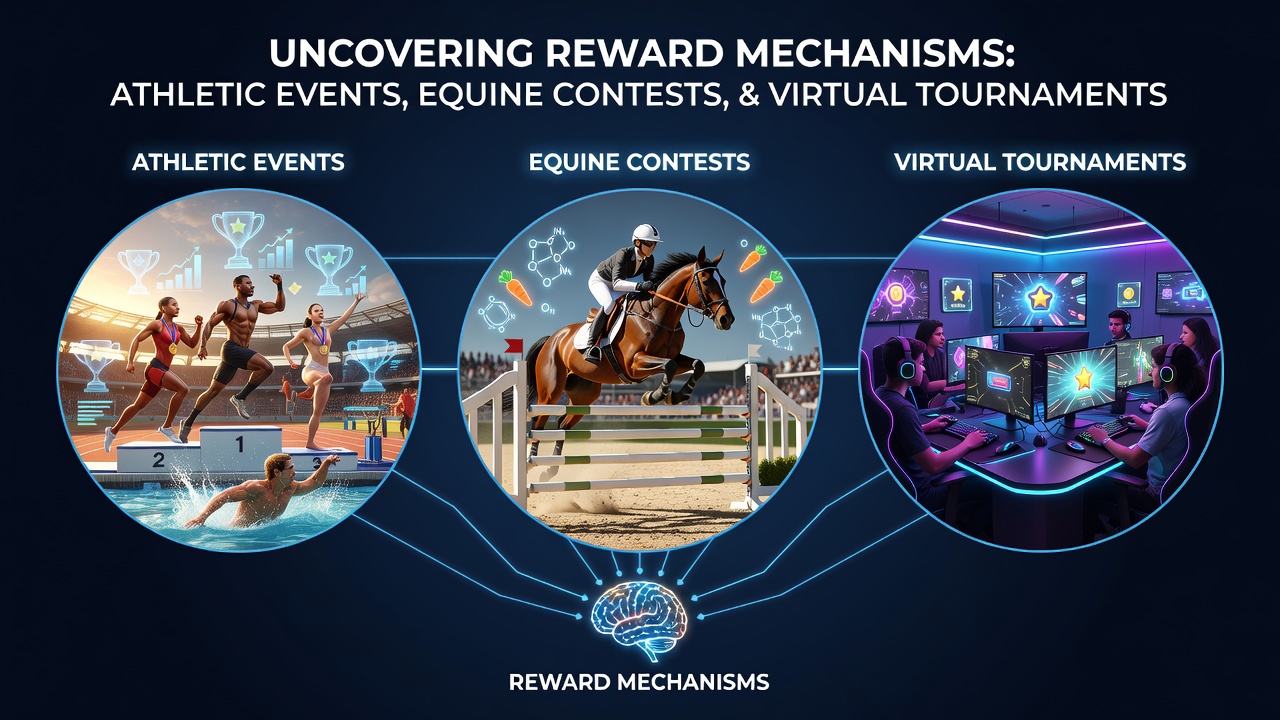
Virtual tournament operators have adopted reward frameworks originally refined in traditional sports and racing markets, adapting them to fast-paced formats with shorter event cycles. Points earned from esports matches often convert at fixed rates into credits for horse racing or athletic events, and several platforms run cross-promotional events where success in one vertical unlocks entry into another. According to a 2025 analysis published by the American Gaming Association, operators that implemented these conversions observed a 28 percent rise in cross-vertical sessions within six months.
Stake caps and bonus wagering requirements tend to follow parallel rules regardless of category, which simplifies compliance while maintaining consistent player experience. Researchers at the University of Nevada's International Gaming Institute documented that unified reward engines reduce administrative overhead for operators and increase retention metrics when users perceive value across multiple product lines rather than within isolated silos.
Regulatory and Technical Enablers
Regulatory frameworks in multiple jurisdictions now require clear disclosure of how rewards migrate between categories, prompting operators to publish unified terms that cover athletic, equine, and virtual offerings under one document. Technical standards developed by the European Gaming and Betting Association support seamless point transfer protocols, ensuring that loyalty balances remain intact even when users switch between mobile apps focused on different verticals.
August 2026 updates to platform APIs have further streamlined these connections, allowing real-time synchronization of reward balances and promotional triggers. Observers note that such technical alignment reduces user drop-off during transitions between event types, particularly when live athletic events conclude and users seek immediate alternatives in equine or esports markets.
Conclusion
Unified reward mechanisms create measurable linkages across athletic events, equine contests, and virtual tournaments through shared wallets, transferable points, adn synchronized promotional structures. Data from operator reports and academic studies confirm that these connections drive higher engagement rates while satisfying regulatory demands for transparency. As platforms continue refining cross-category functionality, the underlying architecture remains focused on delivering consistent incentive value regardless of the specific competition type selected by the user.