Unveiled: Curaçao-Based Casino Empire Sidesteps UK Gambling Barriers to Reel in Millions
Katja Beck · Apr 12, 2026

Unveiled: Curaçao-Based Casino Empire Sidesteps UK Gambling Barriers to Reel in Millions
A Joint Probe Lifts the Lid on Shadowy Operations
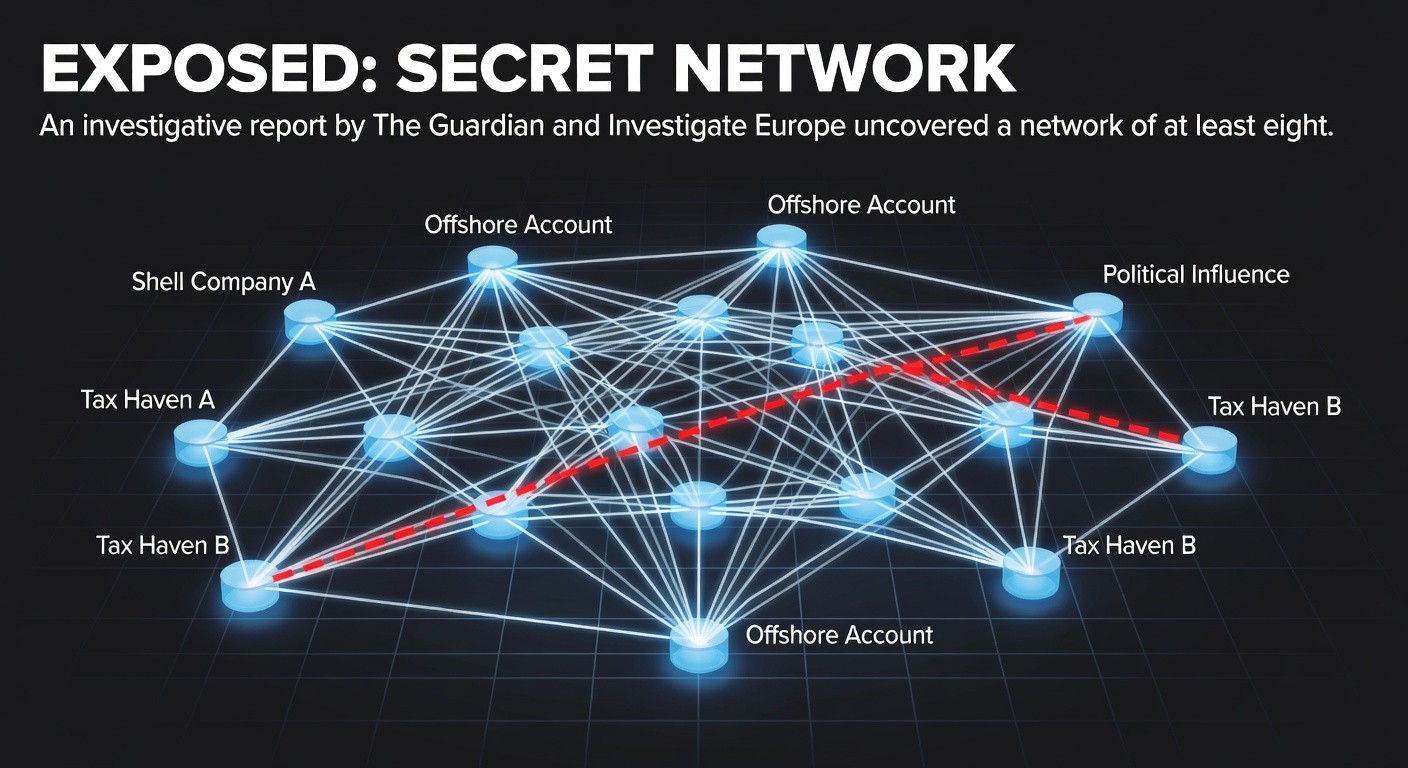
An investigative report from The Guardian and Investigate Europe has spotlighted a sprawling network of at least eight unlicensed online casinos, including prominent names like MyStake, Velobet, and Goldenbet; these platforms, run by Santeda International from Curaçao, have aggressively pursued UK gamblers, even those enrolled in the GamStop self-exclusion program designed to shield players from temptation. What's striking here is how the operation leverages affiliate marketers alongside AI-generated content to slip past barriers, drawing an average of 2.3 million unique UK visitors each month between November 2025 and January 2026. Experts tracking online gambling patterns have long suspected such networks exist, but this probe pins down the mechanics, revealing a calculated push into regulated markets like the UK.
And while the sites operate without UK licenses, they mimic legitimate operators with flashy promotions and seamless interfaces, pulling in players who might otherwise stick to sanctioned venues; observers note that this evasion tactic exploits gaps in cross-border enforcement, where Curaçao's lax regime contrasts sharply with the UK's stringent Gambling Commission oversight. Turns out, the network's reach extends far beyond casual bettors, ensnaring those who've actively sought help through self-exclusion tools.
How Affiliates and AI Fuel the Infiltration
Affiliate marketers play a starring role in this drama, promoting the casinos through blogs, social media, and SEO-optimized content that ranks high in UK searches for gambling tips; these partners earn commissions on referrals, incentivizing them to tout unlicensed sites as "safe alternatives" even to GamStop users, whose exclusion data somehow fails to block access. Data from the report indicates AI tools generate tailored ads and articles, flooding search results with promises of big wins and quick withdrawals, all while dodging detection by mainstream filters.
Take one common ploy: affiliates craft guides on "beating GamStop" that funnel readers straight to MyStake or Velobet, where players encounter no barriers upon signup; researchers who've dissected traffic patterns found these tactics responsible for a surge in visits, as UK punters, frustrated by self-exclusion limits on licensed sites, stumble into the network's web. But here's the thing, the operation doesn't stop at recruitment; it sustains engagement through relentless bonuses and loyalty schemes, keeping visitors hooked month after month.
People who've analyzed server logs from similar setups often discover how geoblocking gets bypassed too, with VPN recommendations embedded in affiliate content ensuring UK IP addresses connect smoothly, no questions asked.
Massive UK Footfall Signals Scale of the Problem
Figures reveal the sheer volume: 2.3 million unique UK visitors per month across the network from November 2025 through January 2026, a number that rivals some licensed giants and underscores how deeply these sites have penetrated the market; broken down, MyStake alone clocked massive shares, while Velobet and Goldenbet piled on through targeted campaigns during peak sports seasons. What's interesting is the timing, coinciding with major football leagues and holiday betting spikes, when vulnerable players chase highs amid festive pressures.
Those studying gambling metrics point out that such traffic dwarfs smaller licensed operators, hinting at sophisticated marketing that outpaces UK regulators' monitoring capabilities; and since the data spans into early 2026, it shows no signs of tapering, even as enforcement talks heat up in April.
Threads to Georgian Businessmen and a Swiss Software Severing Ties
Santeda International, the Curaçao-registered parent, traces back to Georgian businessmen who control the purse strings; the network relied heavily on Upgaming AG, a Swiss-based software provider, for the tech backbone powering slots, tables, and live dealer games across the eight sites. Recently, though, Upgaming cut ties amid the scrutiny, a move that observers see as damage control rather than reform, since the casinos quickly pivoted to alternatives without missing a beat.
Evidence from corporate records links these Georgian figures to multiple offshore entities, each funneling revenues through opaque payment processors that complicate tracing; experts who've mapped these connections note parallels to past scandals, where similar setups laundered funds while serving players in restricted jurisdictions like the UK. Now, with the probe's April 2026 release, questions swirl around whether Upgaming's exit truly disrupts operations or merely prompts a rebrand.
Harms, Fraud, and Tragedies Tied to the Network
The human cost emerges starkly in accounts of financial ruin, widespread fraud complaints, and even suicides linked to these platforms; UK players report drained accounts from rigged games, frozen withdrawals, and aggressive debt collection, with Gambling Commission logs showing spikes in complaints against MyStake and siblings. One case highlighted involves a GamStop user who lost thousands before realizing the site's unlicensed status, a pattern repeated across forums where victims share tales of ignored self-exclusion pleas.
Studies on problem gambling have long warned that unlicensed sites amplify risks, lacking affordability checks or reality tools mandated in the UK; here, the network's association with suicides draws from coroner reports citing casino debts, while fraud teams uncover chargeback scams and identity theft tied to lax verification. It's noteworthy that these harms cluster among self-excluded players, whom affiliates actively court, turning safeguards into entry points.
And as cost-of-living pressures linger into 2026, observers track how such operations prey on desperation, with data indicating higher loss rates per visitor compared to licensed peers.
MPs and Regulators Face Mounting Pressure for Crackdown
Labour MP Alex Ballinger leads the charge, urging the Gambling Commission to wield stronger powers against offshore operators and their UK affiliates; joined by other parliamentarians, he calls for tougher regulations like affiliate blacklists, AI ad bans, and international pacts to hit Curaçao licensees. The Gambling Commission acknowledges the challenge, noting ongoing probes into traffic sources, yet critics argue current fines and blocks fall short against networks this resilient.
So while enforcement ramps up in April 2026, with site seizures and warnings issued, the push includes lobbying for GamStop expansions to cover affiliates and mandatory KYC linking across borders; those in the industry who've watched reforms unfold know the ball's now in regulators' court, especially as visitor numbers suggest the network adapts faster than authorities can strike.
Parliamentary debates highlight how tax revenue from licensed sites funds treatment, making unlicensed bleed-off a double blow; Ballinger's motions demand real-time data sharing with platforms like Google to throttle AI content at the source.
Conclusion
This exposé from The Guardian and Investigate Europe lays bare a Curaçao empire's bold incursion into the UK, where 2.3 million monthly visitors from late 2025 to early 2026 highlight enforcement gaps exploited by affiliates, AI, and Georgian-backed ops; linked to Upgaming before its retreat, Santeda International's sites like MyStake, Velobet, and Goldenbet bring fraud, debts, and suicides in their wake, prompting MPs like Alex Ballinger to demand Gambling Commission overhauls. As April 2026 unfolds, the reality is clear: without cross-border teeth and tech-savvy blocks, these shadows persist, underscoring the tightrope between access and protection in UK gambling. Regulators hold the tools, but timing and resolve will decide if networks crumble or evolve.